
School Readiness: Prep Kids for Kindergarten Success
The transition to kindergarten is a significant milestone for both children and parents. While academic skills like recognizing letters and numbers are essential, true school readiness encompasses a broader range of developmental areas, including social, emotional, physical, and cognitive skills. Preparing children kindergarten goes beyond just the basics—it’s about equipping them with the confidence and independence they need to thrive in a structured learning environment.
In this post, we’ll explore key ways to prepare your child for kindergarten and ensure a smooth transition for the whole family.
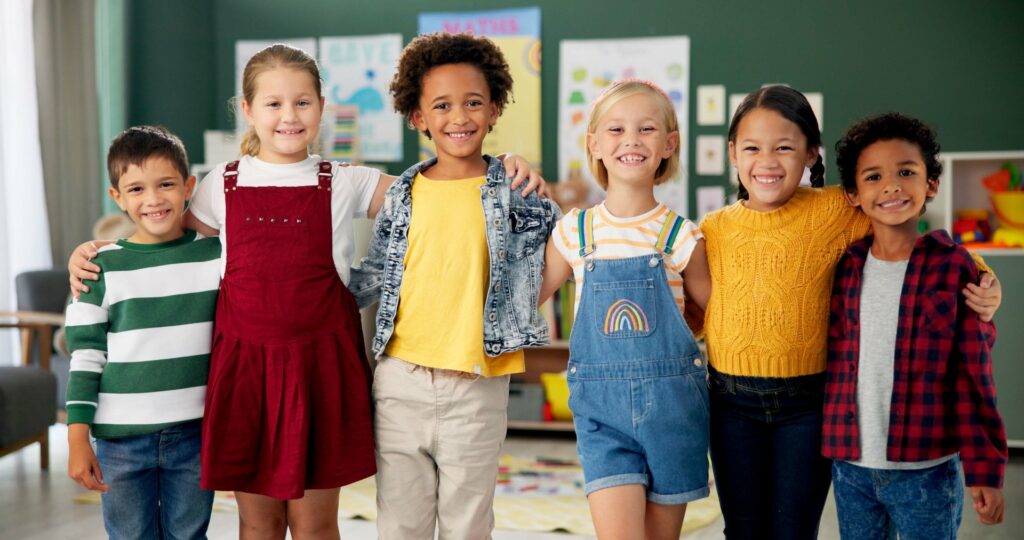
What Does School Readiness Really Mean?
Many parents think kindergarten readiness is simply knowing the alphabet or counting to 20. In reality, being ready for school means children have developed a balance of academic, social, emotional, physical, and self-help skills that allow them to participate confidently in a classroom environment. Research consistently shows that independence, communication, emotional regulation, and curiosity are just as important as early literacy and numeracy.
1. Develop Basic Academic Skills
Before starting kindergarten, it’s helpful for children to become familiar with foundational academic concepts. This includes recognizing their name, knowing the alphabet, identifying shapes and colors, and counting up to ten. These skills can be built through everyday learning experiences:
- Reading Together: Regularly reading with your child helps foster language development and early literacy. Engage with the story by asking questions and encouraging your child to point out letters, words, and illustrations.
- Counting Games: Incorporate counting into daily activities, such as counting toys, snacks, or steps. This makes learning numbers fun and relevant to your child’s everyday world.
- Fine Motor Practice: Activities like drawing, cutting with safety scissors, and playing with building blocks help develop fine motor skills. Provide plenty of opportunities for your child to practice using crayons, markers, and other age-appropriate tools.
Use your childcare software to share updates with parents and download our free preschool & kindergarten progress report templates for an extra progress tool.

2. Encourage Early Literacy Through Play
One of the best ways to prepare children for kindergarten is by making reading and writing part of everyday life. Instead of worksheets, focus on playful experiences that build a love of learning.
Try activities like:
- Reading together every day
- Singing alphabet songs
- Practicing letter recognition during play
- Rhyming games
- Identifying environmental print on signs and food packaging
- Encouraging children to “write” with crayons, chalk, or paint
These simple activities strengthen early literacy while keeping learning fun and engaging. Don’t forget to check out the 15 play-based letter recognition activities.
3. Foster Independence
Kindergarten introduces a level of independence as children begin to navigate school without constant parental guidance. You can support your child in developing independence by encouraging them to:
- Dress Themselves: Practice getting dressed, fastening shoes, and zipping up jackets. These tasks build motor skills and foster self-reliance.
- Take Care of Personal Needs: Make sure your child is comfortable using the bathroom independently, washing their hands, and managing basic hygiene.
- Follow Simple Instructions: Teach your child to follow one- or two-step directions, such as “Please put your toys away and wash your hands for lunch.” This helps them get used to classroom routines.
4. Build Social and Emotional Skills
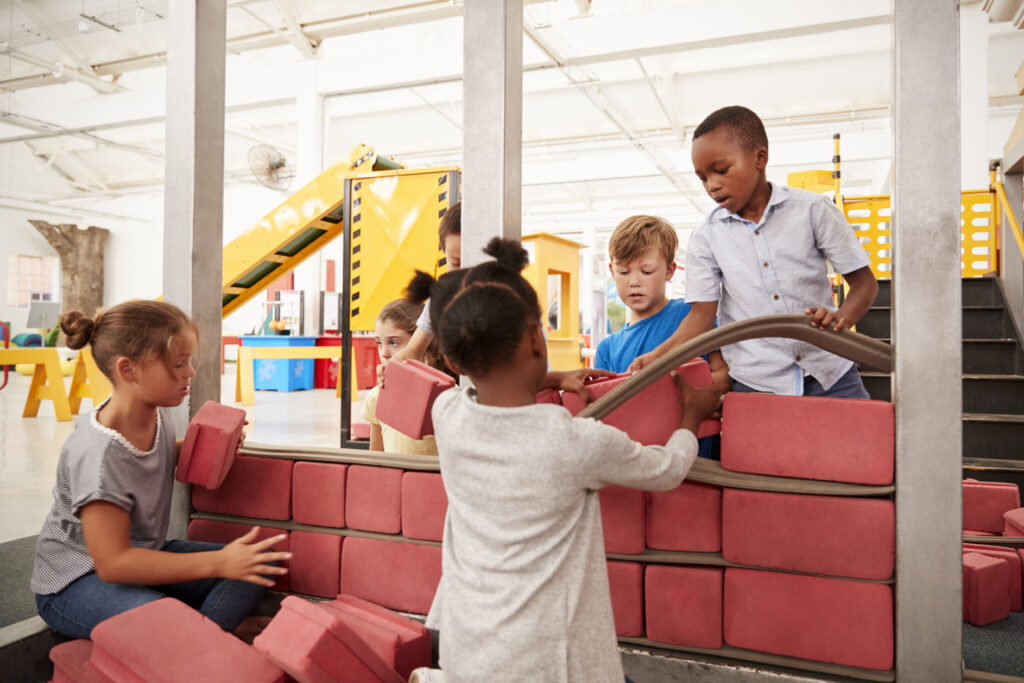
Social and emotional readiness is key to a successful kindergarten experience. Children will need to interact with peers, share, take turns, and follow classroom rules. Help your child build these skills by:
- Teaching Sharing and Cooperation: Practice sharing and playing cooperatively with others, whether during playdates or family activities.
- Encouraging Emotional Expression: Help your child identify and talk about their emotions, teaching them to express feelings in healthy ways.
- Modeling Problem-Solving: Guide your child through common social challenges, such as disagreements over toys, by role-playing solutions. This teaches them how to resolve conflicts constructively.
5. Teach Self-Regulation Skills
One of the biggest predictors of kindergarten success isn’t academic ability. While it may surprise you, one of the most important readiness factor is actually self-regulation. Children who can manage emotions, wait patiently, follow routines, and recover from frustration often adjust more easily to classroom expectations. Experts increasingly emphasize these skills alongside early academics.
Help children practice by encouraging them to:
- Take deep breaths when upset
- Wait their turn during games
- Follow two- and three-step directions
- Clean up after activities
- Ask adults for help when needed
These everyday moments build confidence that carries into the classroom.
6. Establish Consistent Routines
Children thrive on routine, and establishing consistent daily schedules before kindergarten helps them adjust to the school environment. This post from Zero to Thrive outlines the many benefits of consistent routines.
- Morning Routine: Create a predictable morning routine that includes getting dressed, eating breakfast, and preparing to leave on time.
- Bedtime Routine: Ensure your child gets adequate sleep by following a regular bedtime schedule. Preschool-aged children need about 10-12 hours of sleep each night.
- Mealtime Routine: Set regular times for meals and snacks, preparing your child for the structured meal schedules they will follow in kindergarten.
5. Encourage a Love for Learning
Fostering curiosity and a love for learning sets the stage for academic success. When children see learning as an enjoyable and exciting process, they’re more likely to embrace new challenges.
- Explore New Topics Together: Take nature walks, visit museums, or engage in cooking activities. These experiences encourage curiosity and problem-solving skills.
- Ask Open-Ended Questions: Encourage critical thinking by asking questions that require more than a yes or no answer. For example, “Why do you think that happened?” or “What do you think will happen next?”
- Celebrate Learning: Acknowledge your child’s curiosity and celebrate their effort to learn new things, reinforcing a positive attitude toward education.
6. Practice Communication Skills
Communication is an essential skill in kindergarten, where children will be expected to follow instructions, participate in discussions, and express their needs.
- Encourage Clear Speech: Help your child practice expressing their thoughts in full sentences and explaining their ideas or feelings.
- Build Listening Skills: Practice listening by giving your child instructions and asking them to repeat back what they’ve heard.
- Group Participation: Encourage group activities, such as family discussions or playdates, where your child can practice speaking, listening, and taking turns.
7. Address Separation Anxiety
Starting kindergarten may be the first time your child spends an extended period away from home. To ease separation anxiety, try these strategies:
- Short Separations: Gradually introduce short periods away from your child, leaving them with a trusted friend or relative to help them adjust.
- Visit the School: Take your child to visit the school before their first day. Familiarizing them with the environment can ease anxiety and create excitement.
- Positive Conversations: Speak positively about school, emphasizing the fun experiences and new friends they’ll make. Your enthusiasm will help reassure them.
For more help with separation anxiety at daycare, check out this helpful post on helping both parents and children.

8. Strengthen Fine Motor Skills
Before children begin writing sentences, they need strong hand muscles and coordination. Simple play-based activities help develop these skills naturally. Fine motor development helps children become more comfortable holding pencils, using classroom tools, and completing everyday school tasks. Use ChildFriendly’s learning tools to help create lessons plans and activities.
Ideas include:
- Play dough
- Cutting with child-safe scissors
- Stringing beads
- Building with blocks
- Tweezers and pom-poms
- Coloring and tracing
- Finger painting
9. Practice Everyday Independence
Teachers often say independence is one of the most valuable kindergarten readiness skills. Certain practical life skills help children feel capable and confident during their first weeks of school. Community discussions among kindergarten teachers also frequently highlight self-care tasks like opening lunch containers and managing personal belongings as important readiness skills
Practice everyday routines like:
- Opening lunch containers
- Packing backpacks
- Hanging up jackets
- Putting on shoes independently
- Cleaning up after activities
- Recognizing personal belongings
Kindergarten Readiness Checklist
The transition to kindergarten is a huge one, for both children and parents. While every child develops at their own pace, the following checklist can help educators and families monitor progress so they can prepare children for school and ensure kids have school readiness skills.
Social & Emotional
✔ Takes turns
✔ Shares with others
✔ Expresses emotions appropriately
✔ Follows classroom routines
✔ Separates comfortably from caregivers
Language & Literacy
✔ Recognizes own name
✔ Identifies several letters
✔ Enjoys listening to stories
✔ Speaks in complete sentences
✔ Follows simple instructions
Math
✔ Counts to 10 or beyond
✔ Recognizes simple shapes
✔ Sorts objects by size or colour
✔ Understands basic patterns
Independence
✔ Uses the washroom independently
✔ Washes hands
✔ Opens lunch containers
✔ Cleans up toys
✔ Puts on jacket and shoes
Physical Development
✔ Holds crayons correctly
✔ Uses scissors safely
✔ Jumps, runs, and balances
✔ Completes simple puzzles
Conclusion
Preparing your child for kindergarten involves nurturing a balance of academic, social, emotional, and physical skills. By building routines, fostering independence, and encouraging curiosity, you can ens. What’s most important is that you celebrate the progress they make along the way!
At ChildFriendly, we are dedicated to helping parents and childcare providers prepare children for school success. Visit the following posts for more resources and tips on supporting your child’s journey to kindergarten readiness.
How to Foster Emergent Literacy in Early Childhood
Leave a Reply
You must be logged in to post a comment.
