Learning the alphabet is one of the first big milestones on a child’s literacy journey, but memorizing flashcards isn’t the only (or best) way to get there. Young children learn best through meaningful play, exploration, and everyday experiences. That’s why letter recognition activities should be fun, hands-on, and woven naturally into your daily routine rather than feeling like a formal lesson.
Whether you’re a daycare educator, preschool teacher, or child care provider, these play-based activities will help children recognize letters, build confidence, and develop the early literacy skills they’ll need for reading and writing.
Why Is Letter Recognition Important?
Before children can learn letter sounds, spelling, or reading, they first need to recognize and identify letters. Strong letter recognition skills help children:
- Build early reading readiness
- Strengthen vocabulary development
- Improve phonological awareness
- Develop writing confidence
- Make connections between letters and sounds
- Prepare for kindergarten literacy expectations
Remember, every child develops at their own pace. The goal isn’t memorization. Instead, the focus is on creating positive experiences with print and language.
Letter Recognition Activities for Toddlers (18 Months–3 Years)
At this age, keep activities short, sensory-rich, and playful. Focus on exposure rather than mastery. Here are some simple but super effective letter recognition activities for toddlers.
1. Alphabet Sensory Bin
Fill a sensory bin with magnetic or foam letters and let children dig, scoop, sort, and explore. Talk about the letters they discover and name them together.
2. Letter Hunt Around the Classroom
Hide large alphabet cards around your room and encourage children to search for them. Celebrate every discovery by naming the letter aloud.
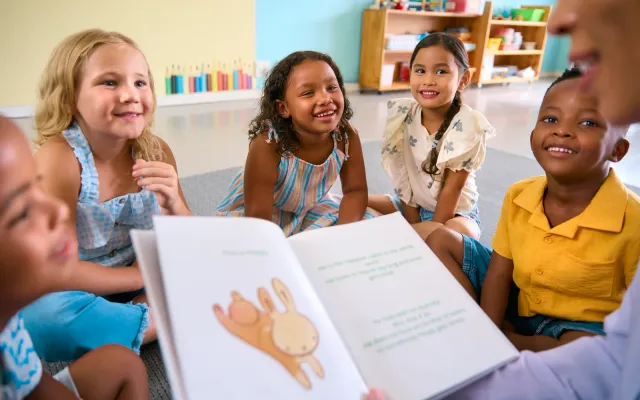
3. Read Alphabet Books Every Day
Books introduce letters in a meaningful context while building vocabulary and a love of reading. While you’re reading the books, ask the kids simple questions like:
- “Can you find the letter A?”
- “What letter is on this page?”
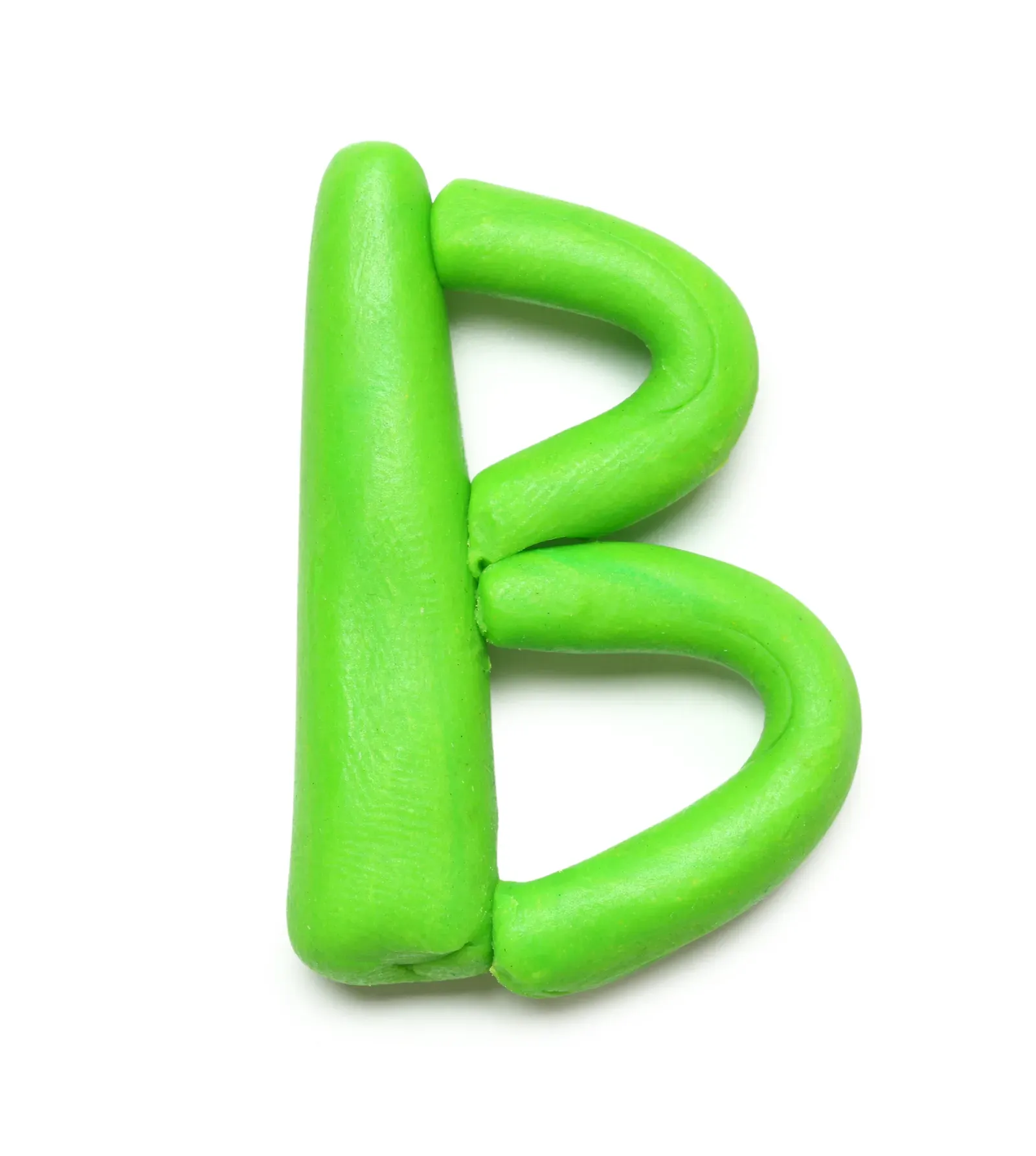
4. Play-Dough Letters
Roll play dough into long “snakes” and shape simple uppercase letters together. This fun activity also strengthens fine motor skills. Think about downloading and laminating some free play dough letter worksheets like these ones from Fun Learning at Home.
5. Alphabet Songs and Movement
Movement helps children remember what they learn. Combine music with movement by:
- Singing the ABC song
- Making giant letters with your arms
- Jumping onto letter mats
- Dancing whenever a chosen letter appears
6. Name Recognition Activities
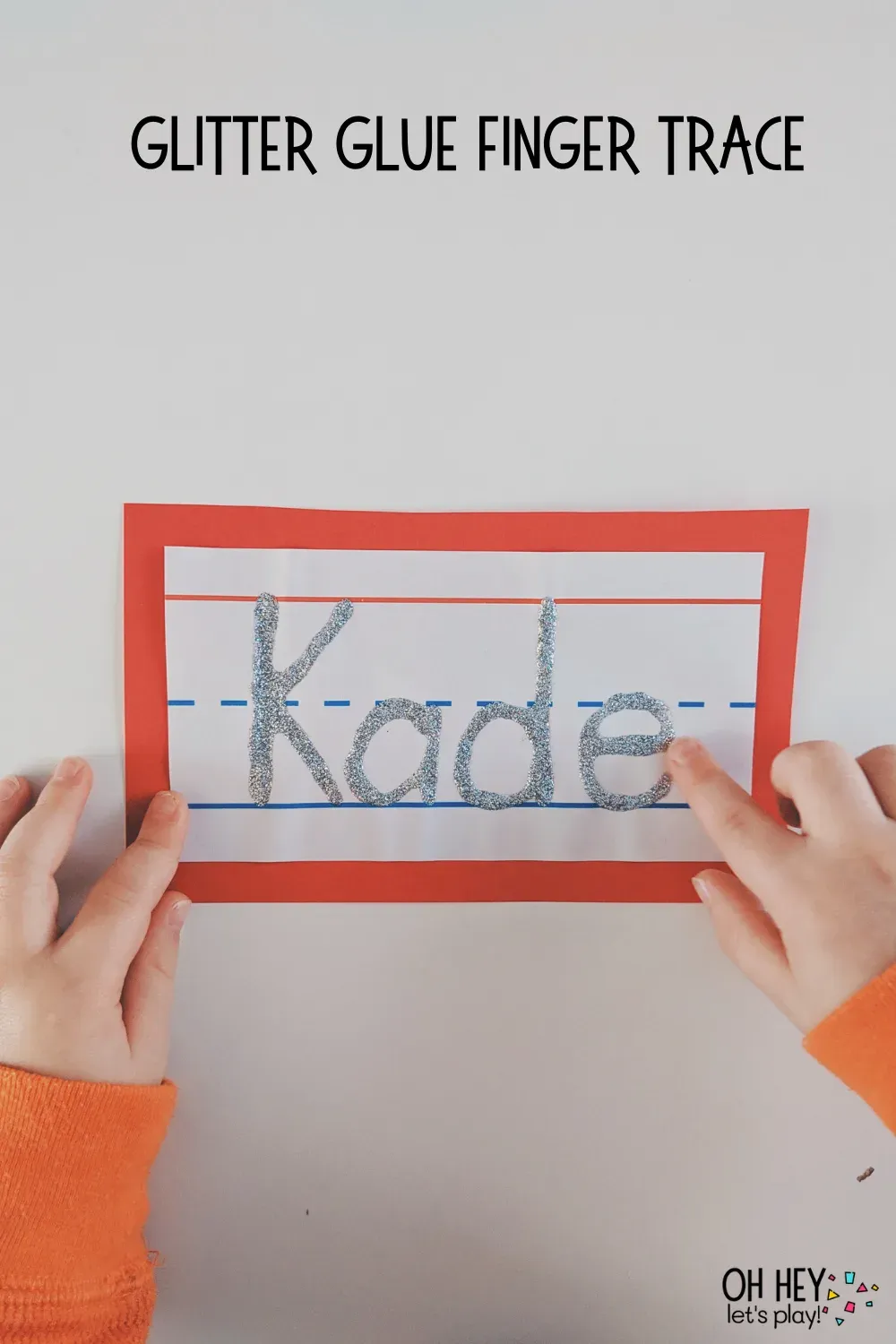
A child’s own name is usually the first word they recognize. Display children’s names throughout the classroom and encourage them to identify the first letter of their name during daily routines. We love these toddler name recognition ideas from Oh Hey Let’s Play. If you’re looking for one geared toward preschoolers, How Wee Learn has an amazing list of children’s name activities!
Letter Recognition Activities for Preschoolers (3–5 Years)
Preschoolers are ready for more intentional activities while still learning through play.
7. Letter Matching Games
There is no shortage of fun letter matching games. Think about turning the game into a fun partner game. Here are some fun idea to match:
- Uppercase to uppercase
- Uppercase to lowercase
- Letters to beginning sounds
- Letters to familiar objects
8. Alphabet Scavenger Hunt
Choose one letter and challenge children to find classroom objects that begin with that sound. For example:
B is for Book, block, basket, ball
9. Build Letters with Loose Parts
Invite children to create letters using:
- Popsicle sticks
- Buttons
- Pebbles
- Pipe cleaners
- Nature materials
This combines creativity with letter formation.
10. Shaving Cream or Sand Writing
Spread shaving cream on tables or use trays filled with sand for children to trace letters using their fingers. It can be messy, but in the best way.

11. Letter Sorting Center
Mix magnetic letters together and invite children to sort them by:
- Uppercase/lowercase
- Straight vs. curved lines
- Letters in their name
- Vowels and consonants (for older preschoolers)
12. Mystery Letter Bag
Place several letters inside a cloth bag. Children reach inside, feel the shape, guess the letter, and then pull it out to check. This fun letter recognition activity for preschoolers strengthens tactile learning and observation skills.
13. Alphabet Art Projects
Create one craft each week focused on a specific letter. Display the artwork to reinforce learning throughout the classroom. Don’t forget to share it with parents in a journal entry on ChildFriendly!
Examples include:
- A is for Alligator
- B is for Butterfly
- C is for Caterpillar
14. Letter Hop Game
Place alphabet cards on the floor. Call out a letter and have children hop, skip, crawl, or tiptoe to the correct card. This is perfect for rainy-day movement breaks. Here’s a perfect example of how to play.
15. Daily Letter of the Day
Choose one focus letter each day. Small daily exposures build lasting recognition. Throughout your routine, encourage children to:
- Spot it in books
- Find it on labels
- Notice it in classmates’ names
- Practice saying its sound
- Draw or build it during free play
- Use play-dough to create it in lower case and upper case
Observe Progress Instead of Testing
Young children learn at different rates, so informal observation is much more effective than quizzes. Keep notes during play and everyday activities to track each child’s progress over time. You can share these observations with parents in a journal entry in your child care software. If your child care software has a learning tool, you can keep track of activities and progress in there.
Letter Recognition Observation Checklist
Use this simple checklist to monitor development:
☐ Recognizes own name
☐ Identifies the first letter in their name
☐ Recognizes several uppercase letters
☐ Recognizes several lowercase letters
☐ Matches identical letters
☐ Matches uppercase to lowercase
☐ Identifies letters during story time
☐ Notices letters in the classroom environment
☐ Shows interest in books and print
☐ Attempts to write or copy familiar letters
Support Letter Learning with ChildFriendly Pro
Tracking literacy milestones doesn’t have to involve piles of paper.
With ChildFriendly Pro, educators can:
- Document letter recognition milestones
- Capture photos of literacy activities
- Record observations during play
- Create digital learning portfolios
- Plan literacy-focused lesson plans
- Share progress with families through the Parent App
Instead of scrambling to remember each child’s progress, you’ll have meaningful documentation available whenever you need it. Find out how the learning module can help up your child care center game.
Learning Through Play Builds Lifelong Readers
Letter recognition isn’t about rushing children to memorize the alphabet, but rather, it’s about helping them build confidence through fun, engaging experiences. By incorporating hands-on activities into your daily routine, you’ll nurture curiosity, strengthen early literacy skills, and create positive associations with reading from the very beginning.
With a little creativity, and the right tools to document learning, you can make every alphabet adventure meaningful for both children and families.