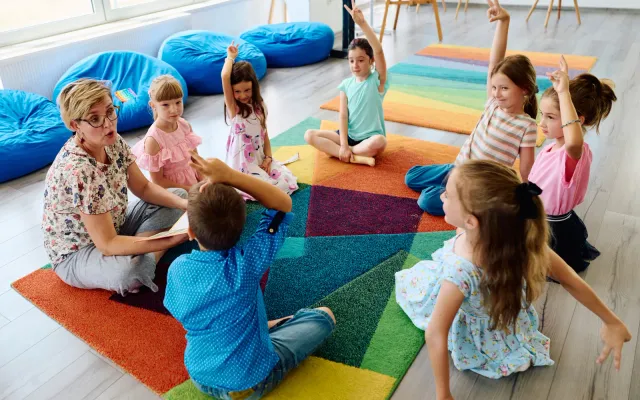
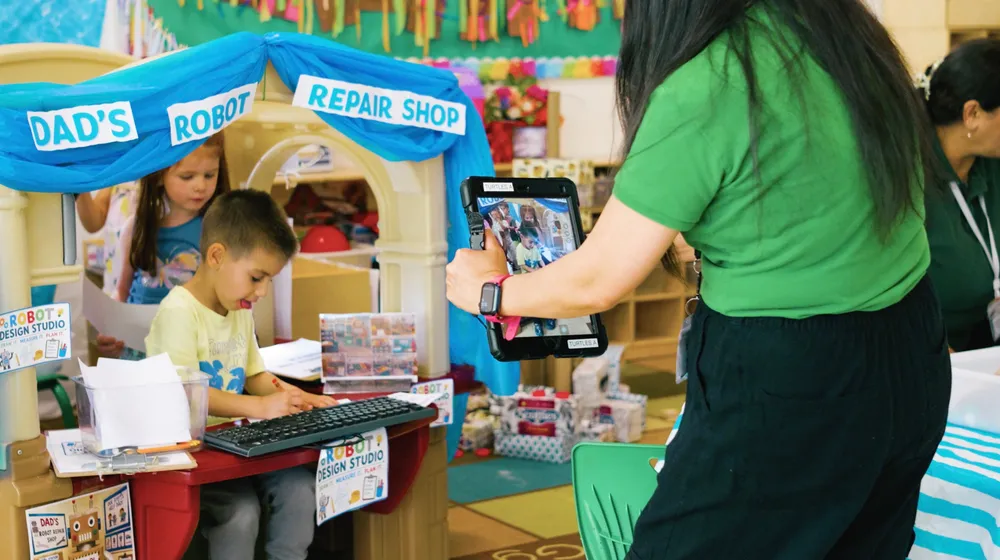
In a child care environment, fostering a love for learning is one of the greatest gifts educators can give to young children. A child’s educational journey extends beyond the classroom, and their motivation to learn plays a vital role in their academic success and personal development. Encouraging curiosity and excitement for learning doesn’t have to be a challenge. Check out these 12 strategies to motivate children to learn in a child care setting, and help them develop a lifelong passion for learning.

1. Create a Learning-Friendly Environment
The setting where children learn significantly impacts their motivation. Set up designated learning areas within the child care center that are free from distractions, well-organized, and filled with stimulating materials like books, art supplies, educational toys, and science kits. A welcoming environment promotes focus, creativity, and active engagement.
2. Encourage Curiosity
Children are natural explorers, eager to learn about the world around them. Encourage curiosity by inviting them to ask questions, no matter how simple or complex. Engage in conversations about their interests, and provide learning activities that align with those interests. For instance, reading books about animals or conducting simple science experiments can spark curiosity and a love for learning.
3. Set Realistic Goals
Setting achievable learning goals helps children understand the importance of working toward something attainable. Establish small, realistic goals and celebrate each milestone. Whether it’s completing a puzzle or mastering a new concept, these small successes build confidence and motivation, encouraging further learning.
4. Praise Effort, Not Just Results
Recognizing effort rather than solely focusing on achievements reinforces the value of perseverance. By praising hard work, you teach children that dedication is more important than immediate success. This mindset helps them stay motivated to learn, especially when facing challenges or setbacks.
5. Incorporate Play into Learning
Learning through play makes the educational experience enjoyable and engaging. Use games, puzzles, role-playing, and educational apps to teach concepts in an interactive way. When learning feels like fun rather than a chore, children are more likely to participate and absorb new information.

6. Be a Role Model
Children often mirror the behaviors of adults around them. Show that learning is a lifelong journey by engaging in educational activities yourself. Read books, explore new topics, and demonstrate curiosity. When children see educators value learning, they are more likely to adopt the same enthusiasm.
7. Provide Choices in Learning
Giving children some control over their learning journey can significantly increase motivation. Allow them to choose which books to read, activities to explore, or topics to learn about. By giving them a sense of ownership, you empower them to take responsibility for their learning, making it a more exciting and personal experience.
8. Encourage a Growth Mindset
Instilling a growth mindset teaches children that abilities and intelligence can develop through effort and persistence. Encourage them to view challenges as opportunities for growth and remind them that making mistakes is a natural part of learning. This approach fosters resilience and the willingness to take on new learning experiences.
9. Use Real-Life Learning Opportunities
Incorporate real-life activities into the learning process. Everyday experiences, such as cooking, gardening, or even a field trip, can provide valuable lessons and motivate children to learn. Cooking can teach math skills through measuring ingredients, while gardening introduces concepts of science, like plant growth and ecosystems. Real-life learning makes abstract concepts more relatable and memorable.
10. Maintain a Positive Attitude Towards Learning
Children are highly influenced by the attitudes of the adults around them. Display a positive attitude toward education and curiosity. Avoid negative phrases like “math is hard” or “I hated school.” Instead, highlight the exciting possibilities that learning offers and how it can open doors to new adventures.
11. Celebrate Achievements
Acknowledging learning milestones, no matter how small, boosts a child’s self-esteem and motivates them to continue their efforts. Celebrating achievements doesn’t always require grand gestures; simple acts like a special group activity or a recognition ceremony can show children that their hard work is valued.
12. Stay Involved in Their Learning
Being actively involved in a child’s learning journey demonstrates that you care about their progress. Stay updated on their achievements, provide support when needed, and engage in educational activities together. This involvement creates a support system that encourages children to remain focused, motivated, and committed to learning.
Final Thoughts
Motivating children to learn is not about pressuring them to achieve perfection; it’s about creating an environment where they feel supported and inspired to explore and discover new things. Implementing these 12 strategies in a child care setting helps instill a love for learning that will benefit children in all aspects of their lives.
For more tips on motivating children and creating a nurturing learning environment, visit ChildFriendly. Our child care management platform supports educators in planning and organizing activities that foster curiosity and growth. Learn more at ChildFriendlyPro.com.