As educators, caregivers, and parents, creating an environment where preschoolers feel confident to express themselves and explore their creativity is essential. One of the best ways to foster this development is by asking open-ended questions for preschoolers. Unlike yes-or-no questions, open-ended questions for preschoolers encourage them to elaborate, reflect, and think independently. This in turn promotes language development, problem-solving skills, and emotional expression.

The Importance of Open-Ended Questions for Preschoolers
Open-ended questions are vital for a child’s development for several reasons:
- Encourages Critical Thinking: By asking questions that don’t have a right or wrong answer, children are motivated to think more deeply about their responses and form their own ideas.
- Promotes Language Development: When children respond to open-ended questions, they practice constructing sentences and expanding their vocabulary, strengthening their communication skills.
- Boosts Confidence: When children are encouraged to share their thoughts without fear of judgment, they develop self-assurance in their ability to communicate effectively.
- Stimulates Curiosity: These questions spark curiosity and imagination, prompting children to explore various possibilities and concepts.
- Builds Emotional Intelligence: Open-ended questions provide a safe space for preschoolers to express their emotions and begin to understand the feelings of others.
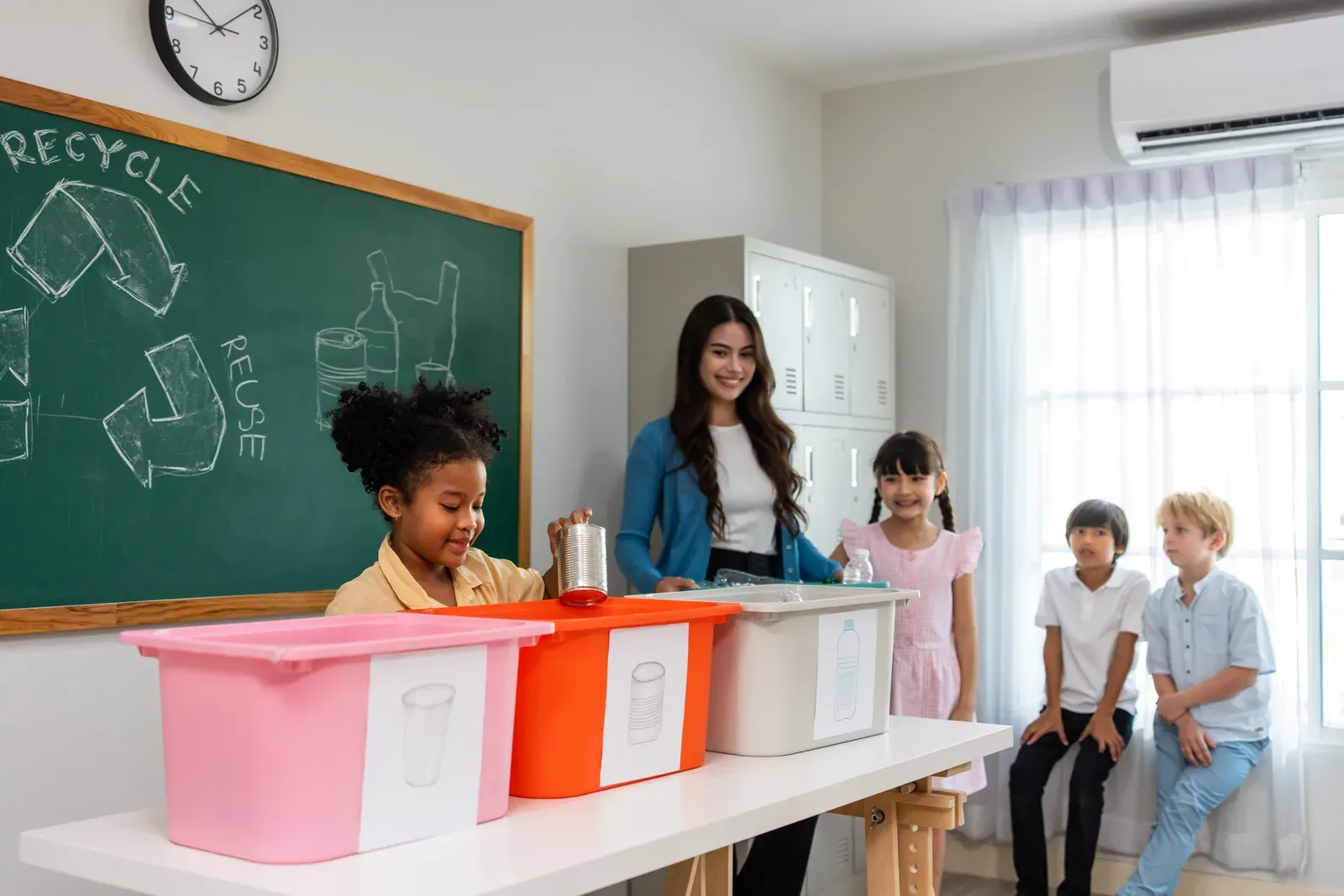
Examples of Effective Open-Ended Questions for Preschoolers
Here are some great open-ended questions to incorporate into your interactions with preschoolers, whether in a child care center or at home:
1. Questions About Their Day
- “What was your favorite part of today?”
- “What did you learn today that made you excited?”
- “Tell me about something fun you did.”
2. Questions About Problem-Solving
- “How do you think we can solve this problem?”
- “What would you do if you were in charge?”
- “How would you fix this if it happened again?”
3. Questions About Feelings and Emotions
- “How are you feeling right now?”
- “What makes you feel happy or sad?”
- “Can you tell me about a time you felt really proud of yourself?”
4. Imaginative and Creative Questions
- “What do you think would happen if animals could talk?”
- “If you could be any animal for a day, which one would you choose and why?”
- “What kind of house would you build if you could build anything you wanted?”
5. Questions About Preferences
- “What’s your favorite thing to do when you’re playing outside?”
- “If you could only eat one food for the rest of your life, what would it be?”
- “What would you like to do this weekend?”
6. Questions About Stories or Books
- “What do you think will happen next in the story?”
- “If you could change the ending of this story, how would you make it different?”
- “Who is your favorite character and why?”
7. Questions About Family and Friends
- “What do you like most about your friends?”
- “How do you help out at home?”
- “What makes you feel happy when you’re with your family?”
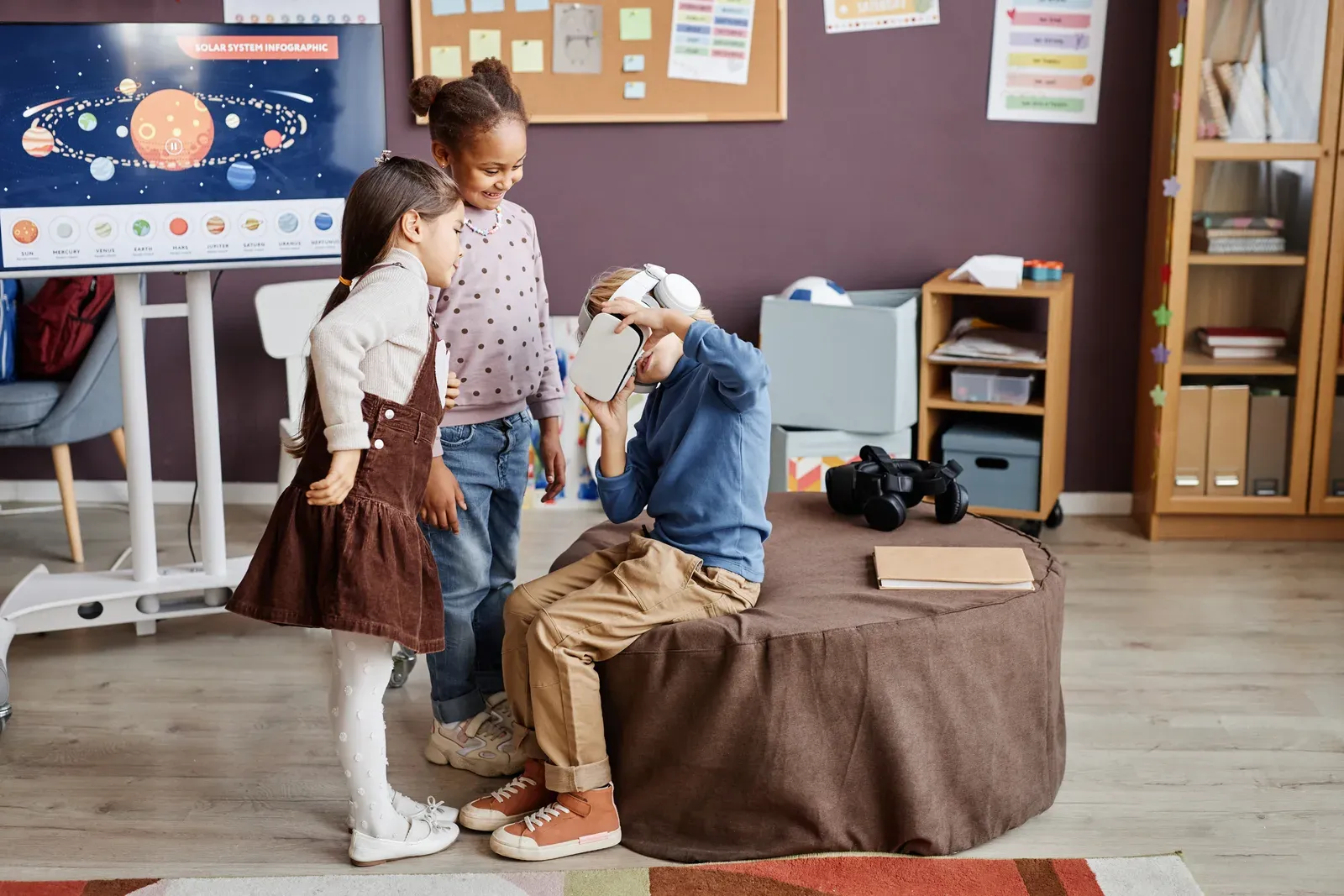
Tips for Encouraging Preschoolers to Answer Open-Ended Questions
To make the most of these interactions, consider the following tips:
- Be Patient: Give the child time to think and respond. They may need a few moments to gather their thoughts, so avoid rushing them.
- Be an Active Listener: Show genuine interest in their responses. Maintain eye contact, nod, and ask follow-up questions to keep the conversation flowing.
- Avoid Over-Correcting: The purpose of open-ended questions is to encourage free thought and creativity. Resist the urge to correct or judge their answers, as this can discourage them from sharing in the future.
- Incorporate Questions During Playtime: Playtime offers natural opportunities to introduce open-ended questions. Ask about what they’re building, how they’re pretending, or what is happening in their imaginary world.
- Stay Curious: Show genuine curiosity about their answers. Your enthusiasm will encourage them to think more deeply and share openly.
Conclusion
Asking open-ended questions is a powerful tool for promoting cognitive, emotional, and language development in preschoolers. These types of questions nurture curiosity, imagination, and self-expression. This leads to more enriching conversations and learning experiences. By incorporating open-ended questions into daily interactions, educators, caregivers, and parents can support preschoolers in feeling valued, and motivated to explore the world around them.
For more tools and resources to enhance your child care environment, download ChildFriendly and get started for free today.