As parents, one of our most important responsibilities is to equip our children with the skills they need to navigate life successfully. Among these skills, self-regulation is particularly crucial. Self-regulation enables children to manage their emotions, behaviours, and thoughts in a socially appropriate way, helping them achieve their goals and adapt to changing situations. It involves more than just impulse control; it’s about understanding emotions, making thoughtful decisions, and responding to challenges with resilience.
In this guide, we’ll explore practical strategies to help your child develop self-regulation skills.
Why Is Self-Regulation Important?
Self-regulation is foundational to a child’s overall development. It influences how they interact with others, their ability to focus and learn in school, and even their future success in life. Children who develop strong self-regulation skills are better equipped to handle stress, resist impulsive behaviours, and make decisions that align with their long-term goals.
Understanding Your Child’s Emotions
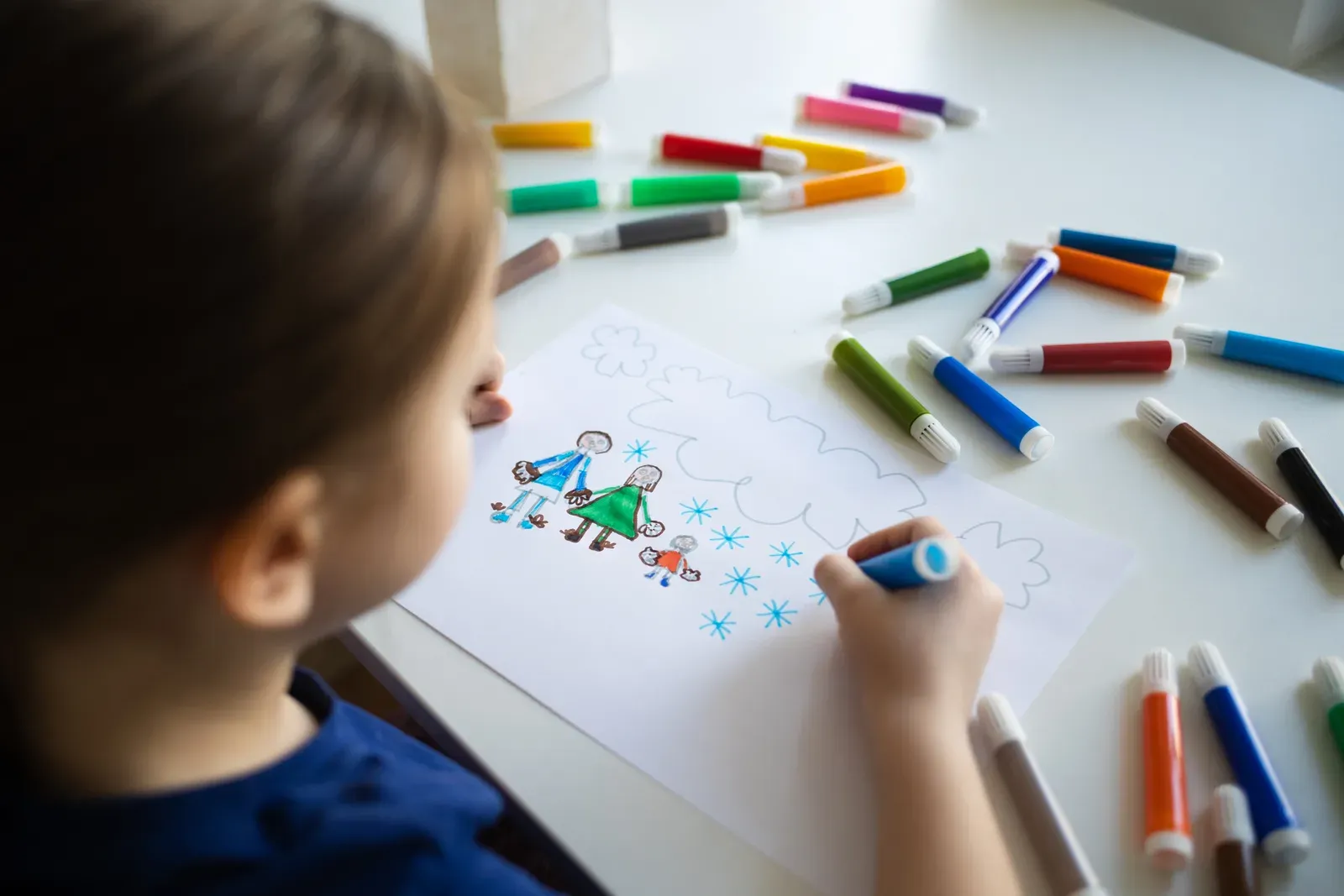
The first step in helping your child develop self-regulation is to understand their emotions. Children often struggle to express what they’re feeling, which can lead to frustration or emotional outbursts. As a parent, it’s essential to create a safe environment where your child feels comfortable discussing their emotions.
Tip: Encourage your child to label their emotions. Instead of saying, “I’m mad,” they might say, “I’m feeling frustrated because my toy broke.” This practice helps them become more aware of their emotions and equips them to manage their feelings more effectively.
Model Self-Regulation
Children learn by observing the adults around them. By modeling self-regulation in your own behavior, you provide a powerful example for your child. Demonstrate how you handle stressful situations, manage your emotions, and make thoughtful decisions.
Tip: When you’re faced with a challenging situation, verbalize your thought process. For example, “I’m feeling really stressed right now, so I’m going to take a few deep breaths before I decide what to do next.” This shows your child how self-regulation works in real-life scenarios.
Teach Problem-Solving Skills
Problem-solving is a key component of self-regulation. When children encounter challenges, they need to learn how to think critically and come up with solutions rather than reacting impulsively.
Tip: Encourage your child to brainstorm solutions when they face a problem. Ask open-ended questions like, “What do you think you could do to solve this?” or “What are some other ways we could handle this situation?” This approach empowers them to take control of their emotions and actions.
Set Clear Expectations and Consistent Routines
Children thrive in predictable environments. Setting clear expectations and maintaining consistent routines can help them feel more secure and in control, which is essential for developing self-regulation skills.
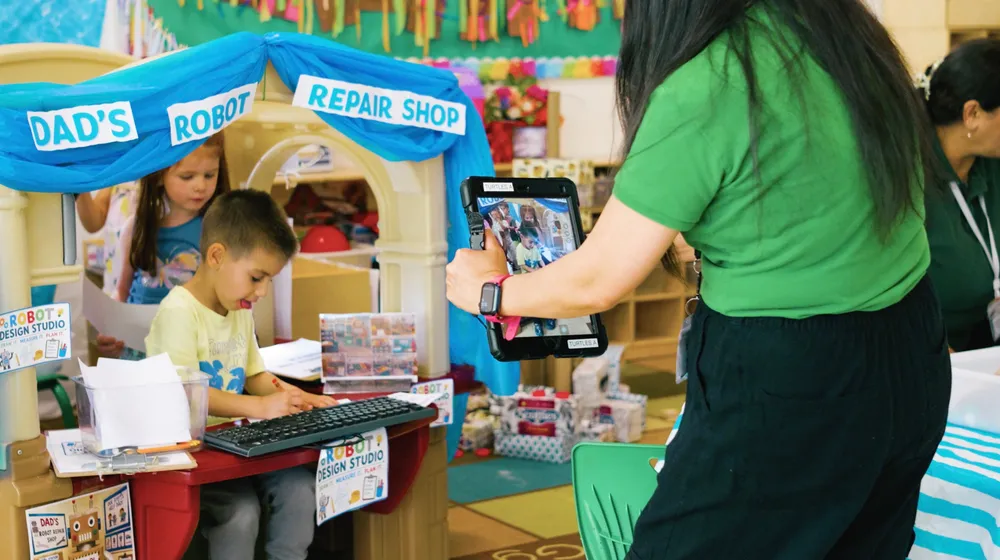
Tip: Use a visual schedule to help your child understand the day’s structure. Tools like ChildFriendly are particularly useful in creating and maintaining these schedules, especially in a child care setting. When children know what to expect, they can better manage their emotions and behaviours.
Encourage Mindfulness and Relaxation Techniques
Mindfulness and relaxation techniques are excellent tools for helping children develop self-regulation. These practices teach them how to calm their minds and bodies, making it easier to manage emotions and reactions.
Tip: Introduce simple breathing exercises or guided imagery to your child. For example, ask them to imagine they’re blowing up a balloon slowly while taking deep breaths. This practice not only helps them relax but also reinforces the idea that they have control over their emotions.
Use Positive Reinforcement
Positive reinforcement is a powerful motivator for children as they learn self-regulation. Praise and rewards for managing their emotions or making good decisions can encourage them to continue practicing these skills.
Tip: Acknowledge your child’s efforts to self-regulate, even if they don’t get it perfect every time. Say things like, “I noticed you took a deep breath before responding to your sister. That was a great way to stay calm.”
How ChildFriendly Can Support Your Child’s Development
ChildFriendly is more than just a child care management platform; it’s a tool that helps parents and educators create a supportive environment for children’s growth. With features like communication tools, and progress tracking, ChildFriendly allows you to stay informed about your child’s day and reinforce self-regulation skills at home.
Helping your child develop self-regulation skills is a journey that requires patience, consistency, and love. By understanding their emotions, modelling good behaviour, and using tools like ChildFriendly, you can provide them with the foundation they need to succeed in life.
Remember, every small step towards self-regulation is a significant victory. Celebrate these moments and continue to support your child as they grow into confident and capable individuals. To learn more about how ChildFriendly can support your child’s development, visit ChildFriendlyPro.com.