Parent engagement is one of those things every child care centre wants more of — but between busy drop-offs, staffing needs, licensing requirements, and the general pace of the day, it can sometimes feel difficult to maintain strong communication with every family. The good news is that parent engagement does not have to mean doing more manually. In many cases, it simply means communicating more intentionally and consistently. That is where child care software can make a huge difference.
When families feel informed, included, and connected to their child’s day, trust grows. Parents become more responsive, more involved, and more likely to stay long-term with your centre.
Here are some practical ways to improve parent engagement while using child care software to simplify the process for both staff and families.

1. Start with a Strong Onboarding Communication Plan
Parent engagement starts before a child’s first full day.
One of the biggest mistakes centres make is overwhelming families with information all at once — or not communicating enough in the beginning. A simple onboarding communication plan helps parents feel supported and confident from day one, but not overwhelmed and at a risk of missing important information.
A good onboarding process might include:
- A welcome email introducing the classroom and educators
- A parent handbook shared digitally
- Instructions for downloading and using your child care app
- A “what to expect” message for the first week
- A short survey about the child’s routines, interests, and comfort needs
- Scheduled check-ins during the first month
Child care software helps organize all of this in one place. Instead of paper forms getting lost or parents forgetting details from orientation, families can access messages, documents, schedules, and updates directly from their phone.
The easier communication feels early on, the more likely parents are to stay engaged long-term.
2. Create a Predictable Weekly Communication Rhythm
One of the best ways to build trust with parents is consistency.
Parents do not necessarily need constant communication — they need reliable communication.
A simple weekly rhythm helps families know what to expect and reduces confusion or frustration.
For example:
Daily
- Photos and activity updates
- Meals, naps, toileting, and mood tracking
- Quick reminders
Weekly
- Classroom highlights
- Upcoming activities
- Learning themes
- Important reminders
Monthly
- Centre newsletters
- Event calendars
- Developmental updates
- Family feedback opportunities
When child care software automates parts of this process, educators spend less time chasing communication and more time focusing on the children.
It also creates consistency across classrooms, which is especially important in larger centres.
3. Share Daily Updates Effortlessly
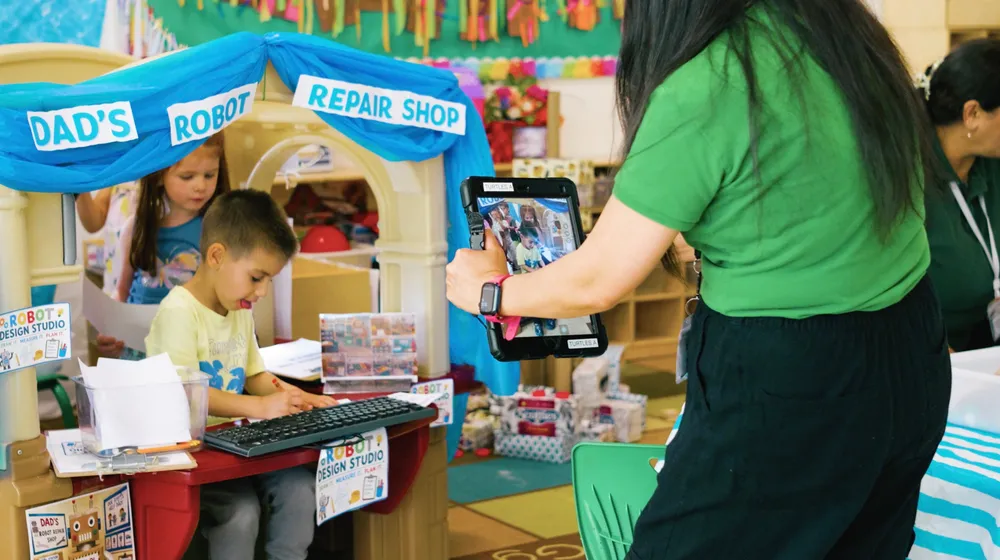
Parents appreciate staying connected to their child’s daily experiences, from creative projects and new songs to memorable milestone moments. Regularly sending photos, videos, and quick summaries of daily activities provides parents with real-time insights into their child’s day, giving them a sense of involvement even from afar. With ChildFriendly’s Daily Updates and Parent Communication feature, you can easily share photos and summaries of daily activities. This provides parents with real-time insights, making them feel like a part of their child’s day even from afar. Benefits of daily updates:
- Reduces parent anxiety because families can see real-time updates about meals, naps, activities, moods, and milestones.
- Improves communication consistency by giving educators one central place to share information, reminders, and updates.
- Creates stronger parent engagement since parents feel more involved in their child’s learning and daily experiences.
- Encourages meaningful conversations at home when parents can ask their child about specific activities, friends, or moments from the day.
- Saves time for educators and administrators by streamlining communication instead of relying on paper notes, phone calls, or lengthy pickup conversations.
- Makes communication more accessible for busy parents who may not always be available during drop-off or pickup hours.
Provides a more professional parent experience that reflects strong organization, transparency, and modern child care operations.

4. Prevent Conflict Through Proactive Communication
A large percentage of parent conflict in child care comes from uncertainty, assumptions, or lack of communication. In addition to daily updates and regular communication, establishing a routine for short, monthly check-ins with parents is highly beneficial. These meetings don’t have to be lengthy—even a 10-minute conversation can foster rapport and trust. During these catch-ups, you share progress updates, discuss the child’s development, and address any questions or concerns parents may have. It also helps get ahead of any potential issues or items that are best addressed right away.
Parents may become frustrated when they:
- Feel uninformed
- Hear inconsistent information
- Do not understand policies
- Feel surprised by incidents or concerns
Consistent communication and regular check-ins help prevent small issues from becoming larger ones.
Child care software can support this by:
- Keeping records of communication
- Sharing incident reports quickly
- Providing transparent updates
- Creating consistent messaging across staff
- Allowing directors to monitor communication quality
It is much easier to maintain positive parent relationships when communication is proactive instead of reactive. ChildFriendly’s Communication Tools and Calendar feature simplify setting up and tracking these meetings, ensuring every family feels connected and supported throughout the month.
5. Use Events to Build Community — Not Just Attendance
Events are not only about filling a room. They are opportunities to help families feel connected to your centre community.
Simple events often work best:
- Family breakfasts
- Pajama days
- Art showcases
- Seasonal celebrations
- Parent coffee chats
- Literacy nights
- Outdoor play days
- Check out some more ideas here
Child care software can help by:
- Sending reminders automatically
- Managing RSVPs
- Sharing event photos afterward
- Sending digital sign-ups for volunteers or donations
Many parents genuinely want to participate more, but life gets busy. Easy reminders and accessible communication make involvement feel manageable instead of stressful.

6. Gather Feedback Through Parent Surveys
Understanding parent perspectives is essential to delivering a high-quality child care program. Use surveys to gain insights on what parents value most, areas for improvement, and any specific concerns. This feedback shows parents that their opinions are valued and helps you make adjustments to better meet family needs. Use your child care management software to send along a survey!
7. Be Thoughtful About Privacy and Consent
Parents love seeing updates and photos from their child’s day — but privacy and consent should always come first.
A strong child care communication strategy includes:
- Clear photo and media consent policies
- Secure messaging systems
- Staff training on confidentiality
- Guidelines around sharing classroom photos
- Proper permissions for social media use
Using child care software designed specifically for daycare centres is important because it provides secure communication channels rather than relying on personal phones or informal messaging apps.
Families are far more comfortable engaging regularly when they trust that their information and their child’s privacy are protected.
Building a Community of Trust and Connection
Engaging parents goes beyond regular updates; it’s about fostering a genuine community. When parents feel involved and valued, they become advocates for your center and feel more confident in your care. Strong parent engagement cultivates a connected environment where both families and staff are dedicated to each child’s well-being and growth.
Ready to boost parent engagement at your center? Explore how ChildFriendly can help keep parents connected and informed, creating a supportive community every step of the way.