There’s something really special about a daycare field trip. Whether it’s a visit to the local farm, library, fire station, or nature trail, getting out of the classroom gives children the chance to explore, learn, and make lasting memories.
Of course, every daycare owner and educator knows that field trips also come with a lot of planning. Between permissions, transportation, supervision, and safety considerations, there’s plenty to think about before the bus even leaves the parking lot.
Thankfully, with a little preparation and a solid checklist, your next outing can be fun, educational, and stress-free. Let’s go through this simple list of helpful tips to ensure your next daycare field trip is a successful one!
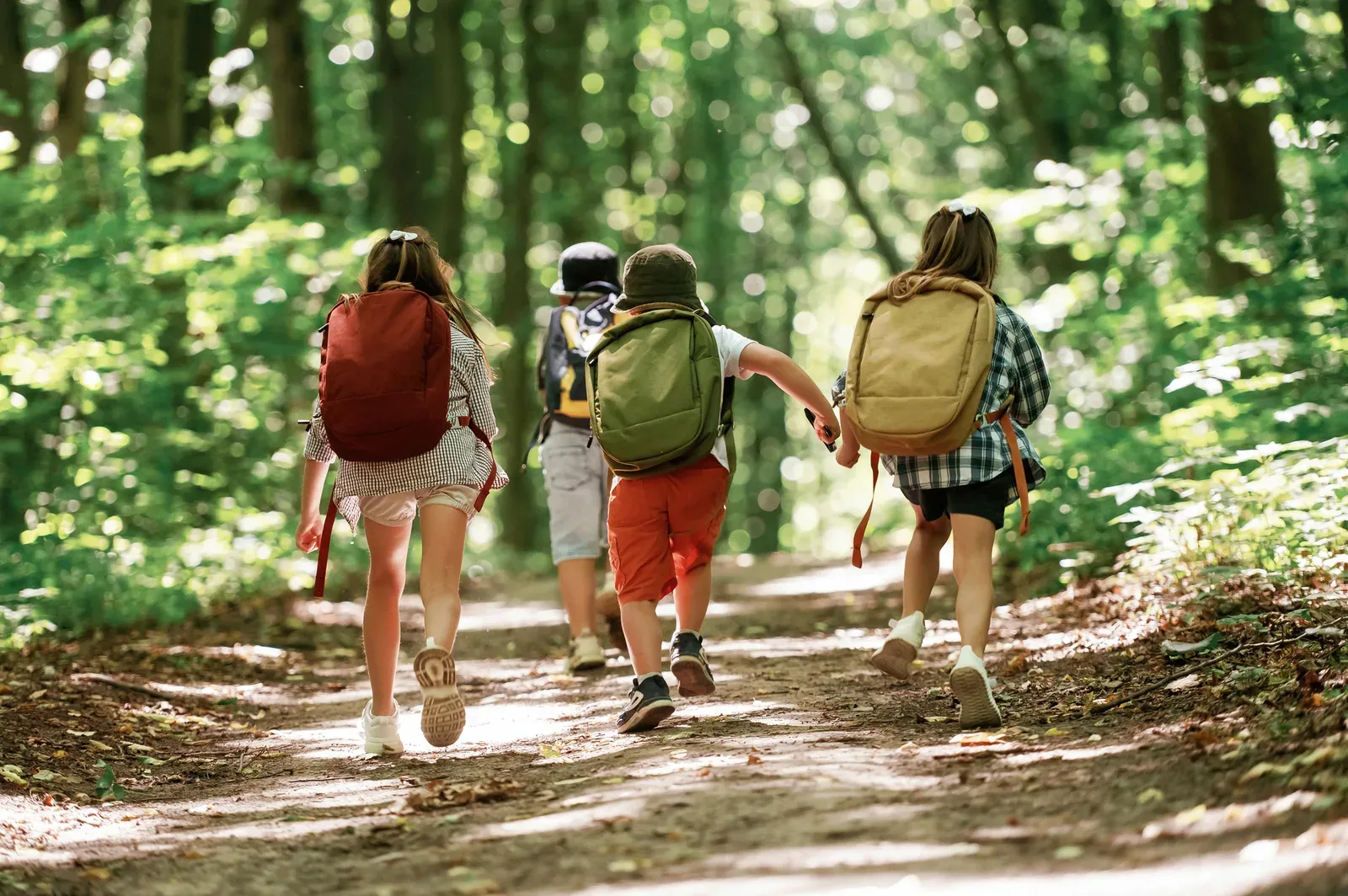
Start With the Right Destination
Before diving into logistics, think about what you want children to gain from the experience. A little research ahead of time can help you avoid surprises and ensure everyone has a great experience. Ask yourself:
- Is it age-appropriate?
- Does it support your curriculum or current learning theme?
- Is it accessible for all children in your care?
- Are there washrooms, shaded areas, and places for breaks?
Create a Field Trip Safety Checklist
Once you’ve chosen your destination, it’s time to plan for a safe day. Think about what could happen—and how you’ll prevent or respond to it. Here’s a checklist every child care centre should work through before heading out.
Risk Assessment
Walk through potential risks before the trip. Consider:
- Traffic and parking areas
- Water hazards or steep terrain
- Weather conditions
- Busy public spaces
- Animal interactions (if applicable)
- Indoor and outdoor safety concerns
Supervision Plan
One of the biggest factors in a successful field trip is knowing exactly who’s responsible for each child. Everyone should know their role before the adventure begins. Before you leave:
- Assign educators to specific groups of children.
- Review staff-to-child ratios.
- Decide on meeting points and check-in times.
- Make sure everyone understands emergency procedures.
- Consider using buddy systems for older preschoolers.
Emergency Kit
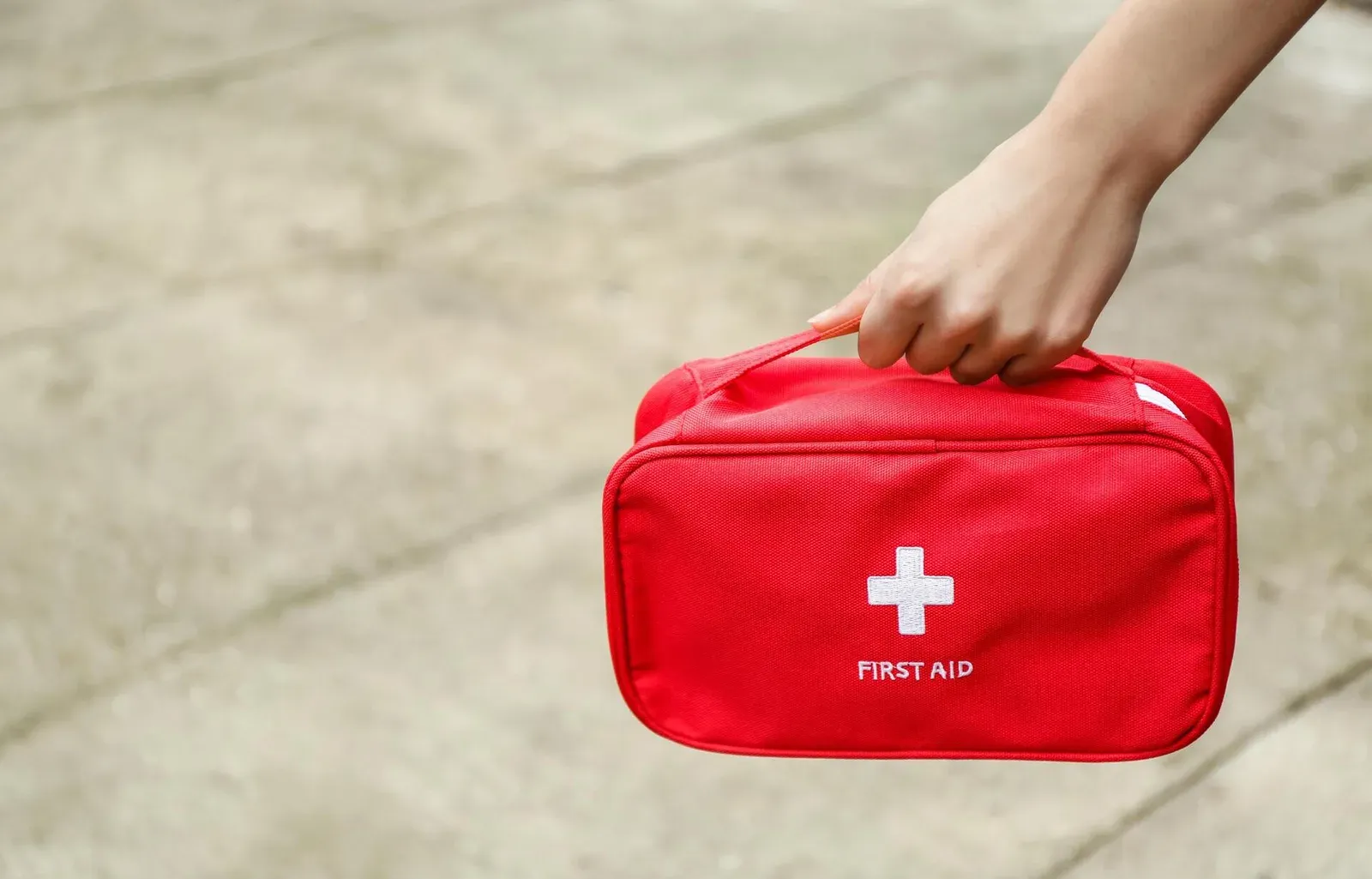
Hopefully you won’t need it, but you’ll be glad you brought it in the off-chance you do. It’s always better to be overprepared than caught without something important. Pack essentials like:
- First aid supplies
- Emergency contact information
- Cell phones or communication devices
- Hand sanitizer and wipes
- Sunscreen and extra water
- Weather-appropriate supplies (rain ponchos, hats, etc.)
Allergy & Medical Notes
Before leaving the center, think about printing off a copy of allergies and medical conditions. If your child care software has an easily accessible medical report, even better! Having this information readily available can make all the difference if an emergency occurs. TIP: Use ChildFriendly’s specific medical and allergy reports!
- Review allergies and medical conditions for every child attending.
- Pack required medications (such as EpiPens or inhalers).
- Make sure educators know which children may require additional support.
- Double-check dietary restrictions if food or snacks are involved.
Headcounts (More Than You Think!)
You can never do too many headcounts.
Make it a habit to count children:
- Before leaving the centre
- After boarding transportation
- Upon arriving
- Before leaving each activity area
- Before boarding transportation home
- When returning to the centre
Many centres also use attendance apps or digital checklists to make headcounts quick and accurate throughout the day.
Don’t Forget Parent Communication
Parents appreciate knowing what to expect before the trip. In an email or bulk message, make sure you share important details. This ensures parents feel informed and at ease. A simple reminder a day or two before the trip also helps everyone arrive prepared. If children need to bring anything, make sure you communicate this well in advance, with a reminder a couple of days before the trip. Share necessary details such as:
- Departure and return times
- What children should wear
- What to bring (water bottles, hats, etc.)
- Permission forms and deadlines
- Emergency contact information
Make Learning Part of the Adventure
Field trips aren’t just about getting out of the classroom—they’re an extension of it. Before your visit, help get children excited by talking about where you’re going. Think about reading books on or related to the destination, and don’t forget to practice safety protocol and go over expectations.
Afterward, you can plan fun activities around the trip or theme. Use circle time to ask children about their favourite parts of the trip. Children can also create artwork inspired by the trip or you can write stories together. Don’t forget to share photos in your journal entries to parents with your parent app! These follow-up activities help reinforce learning long after the bus ride home.
Field Trip Planning Doesn’t Have to Be Stressful
A little organization goes a long way. By planning ahead, communicating clearly, and following a simple safety checklist, you’ll spend less time worrying about logistics and more time enjoying the experience alongside the children.
After all, the best field trips are the ones where everyone comes home smiling, with plenty of stories to tell.