Picture a room filled with toddlers, each immersed in their own little world. One carefully stacks blocks while another child is fixated on finding the perfect clothes to dress their doll. From the view of an adult looking in, it might seem like these kids are each in their own little bubble of solitary place. In fact, what’s unfolding is something much more significant – it’s the power of parallel play.
The importance of parallel play in child development cannot be overlooked. This stage is where children play adjacent to each other but do not directly interact. It’s more than just a stepping stone in child development; it’s a critical foundation. Let’s take a deeper look into why this seemingly solitary activity holds such an important place in a child’s emotional, cognitive, and social growth.
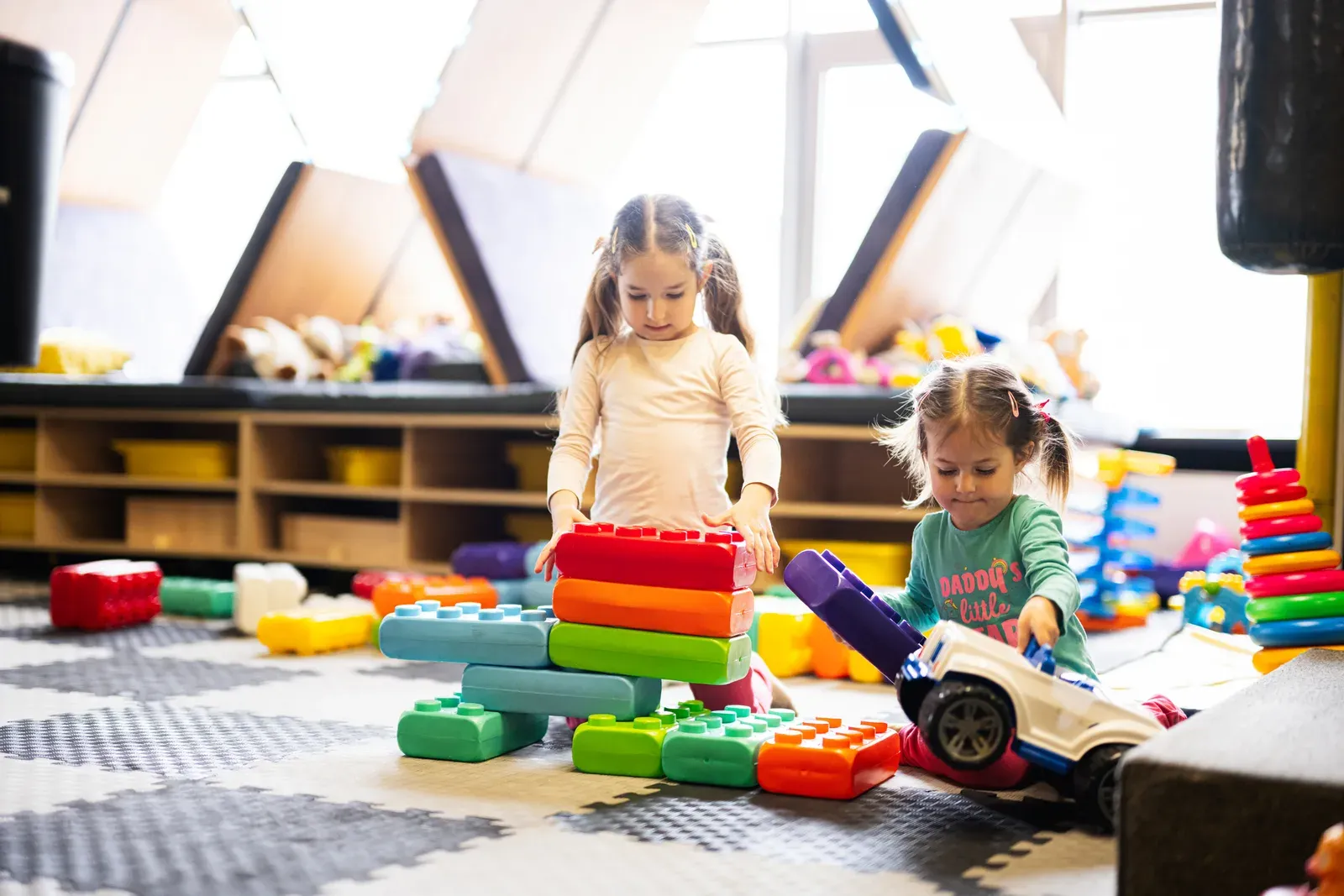
The Building Blocks of Social Skills
One might wonder how playing side by side, without interaction, could possibly help with the development of social skills. The answer lies in the invisible threads of observation and imitation. Even while they are engaged in parallel play, children are still observing their peers. They’re noticing how they play with toys, express their emotions, and handle challenges.
This observational learning serves an important purpose, even if it’s not obvious to either children or the adults. Absorbing their peers’ play and interactions gradually leads to imitation, which is the precursor to more direct interaction between children, like cooperative play. Think of it as children learning the rules of the game before participating. It’s like silent osmosis, for play!
Cultivating Independence and Focus
Children develop a sense of autonomy when they engage in independent activities in the presence of peers. Instead of relying on adults or other children to lead or dictate their play, they get to explore their own interests at their own pace. This growing independence is crucial for developing decision-making skills and mastering new concepts.
Parallel play enhances this concentration as they develop new skills. When children are absorbed in their own activities, they also learn how to focus despite any distractions around them. This skill will serve them well later on when they enter more structured environments like schools.
Emotional Self-Regulation
If you’ve ever been in the presence of children, you’ve likely noticed the ability for a child to fluctuate between tantrums and tranquility in a span of only minutes. Emotional self-regulation is a crucial learned skill, not something we are born with. The structured but flexible environment of parallel play lets children practice managing their emotions. They learn to deal with the frustration of a block tower collapsing, the excitement of discovering a new texture, or the contentment of completing a puzzle, all at their own rhythm.
When it comes to emotional regulation, parallel play can help children learn how to take emotional cues from their playmates. They get an understanding of what responses are appropriate or effective. It’s like a mini crash course in emotional intelligence with tools they can use and build on throughout their lives.
Cognitive Development and Problem-Solving
Parallel play is the perfect environment for cognitive development. The activities children engage in during this stage often involve problem-solving skills. Whether they are figuring out how to balance blocks to avoid a tumble or experimenting with colors and shapes, their brains are hard at work.
Parallel play also encourages curiosity and experimentation, but does so without the pressure of competition. Kids learn that there are multiple solutions to a problem. They also learn that trial and error is a natural path to discovery – both very important concepts!
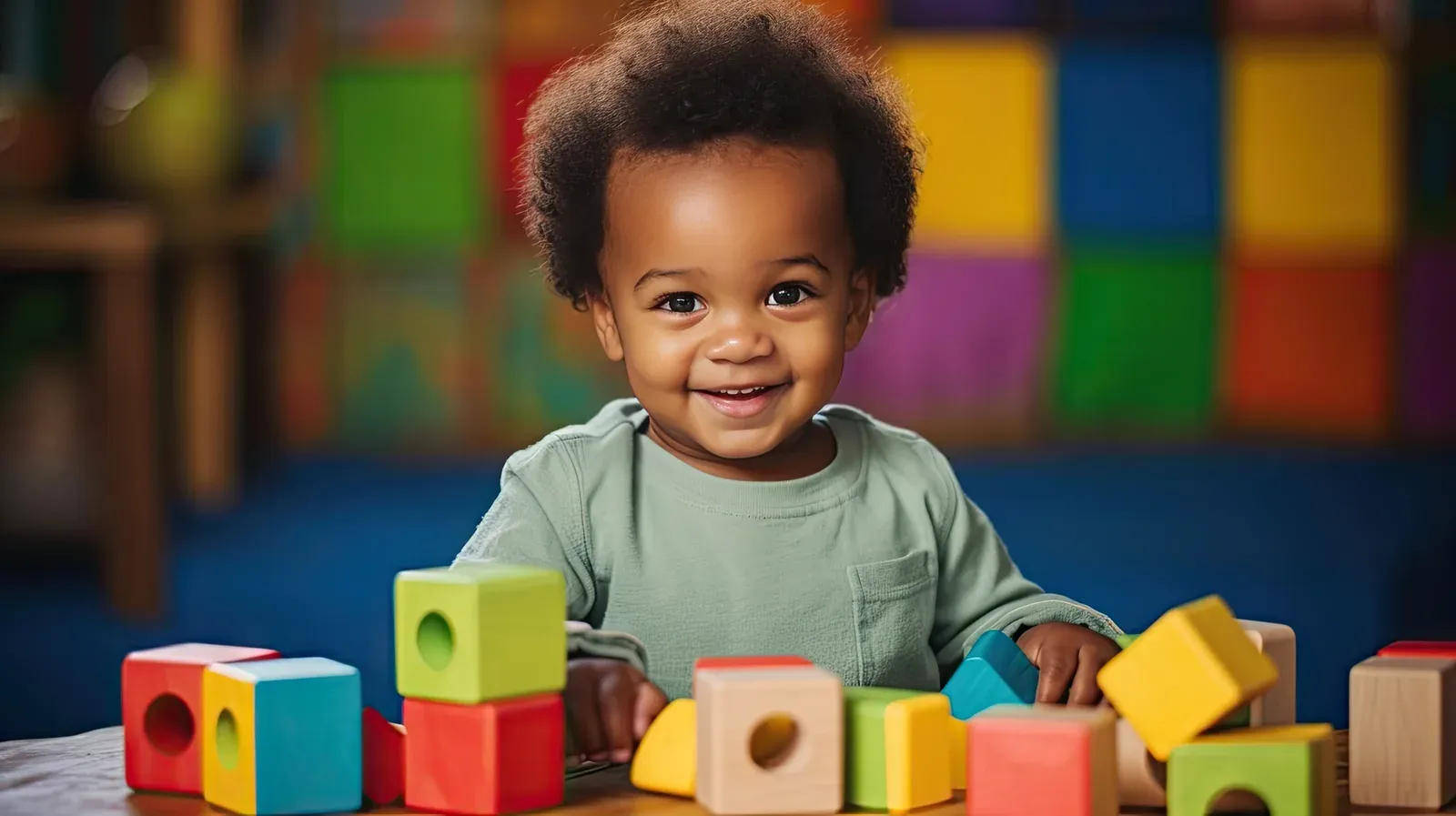
Laying the Groundwork for Literacy and Numeracy
Sometimes the simplest of activities – like stacking blocks – can really set the groundwork for those early literacy and numeracy skills. When children manipulate objects, they develop fine motor skills essential for writing. Sorting and organizing toys teaches them about classification, patterns, and sequences—basic principles of math.
While they may not be reciting the alphabet or counting yet, the groundwork for these vital skills is laid down during parallel play.
Conclusion: More Than Meets the Eye
The next time you walk into a room full of kids engrossed in their own activities, take a moment to appreciate the intricate learning and development taking place. Parallel play is not just a a stepping stone to more interactive forms of play. Instead, it’s a critical stage filled with complex growth.