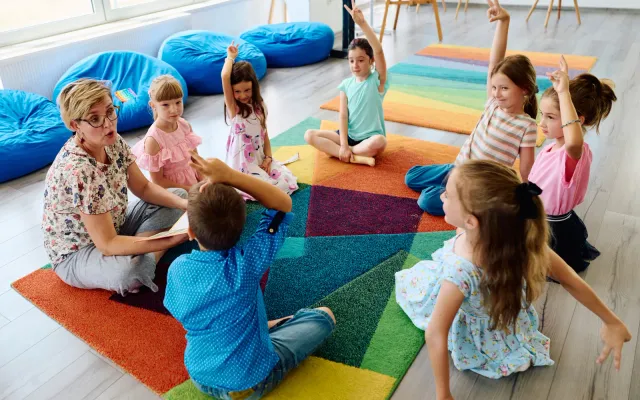
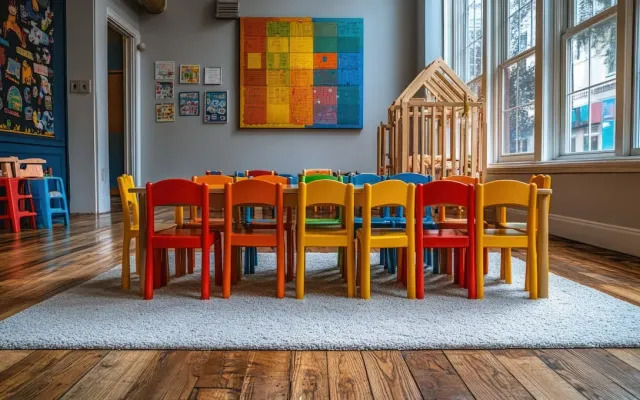
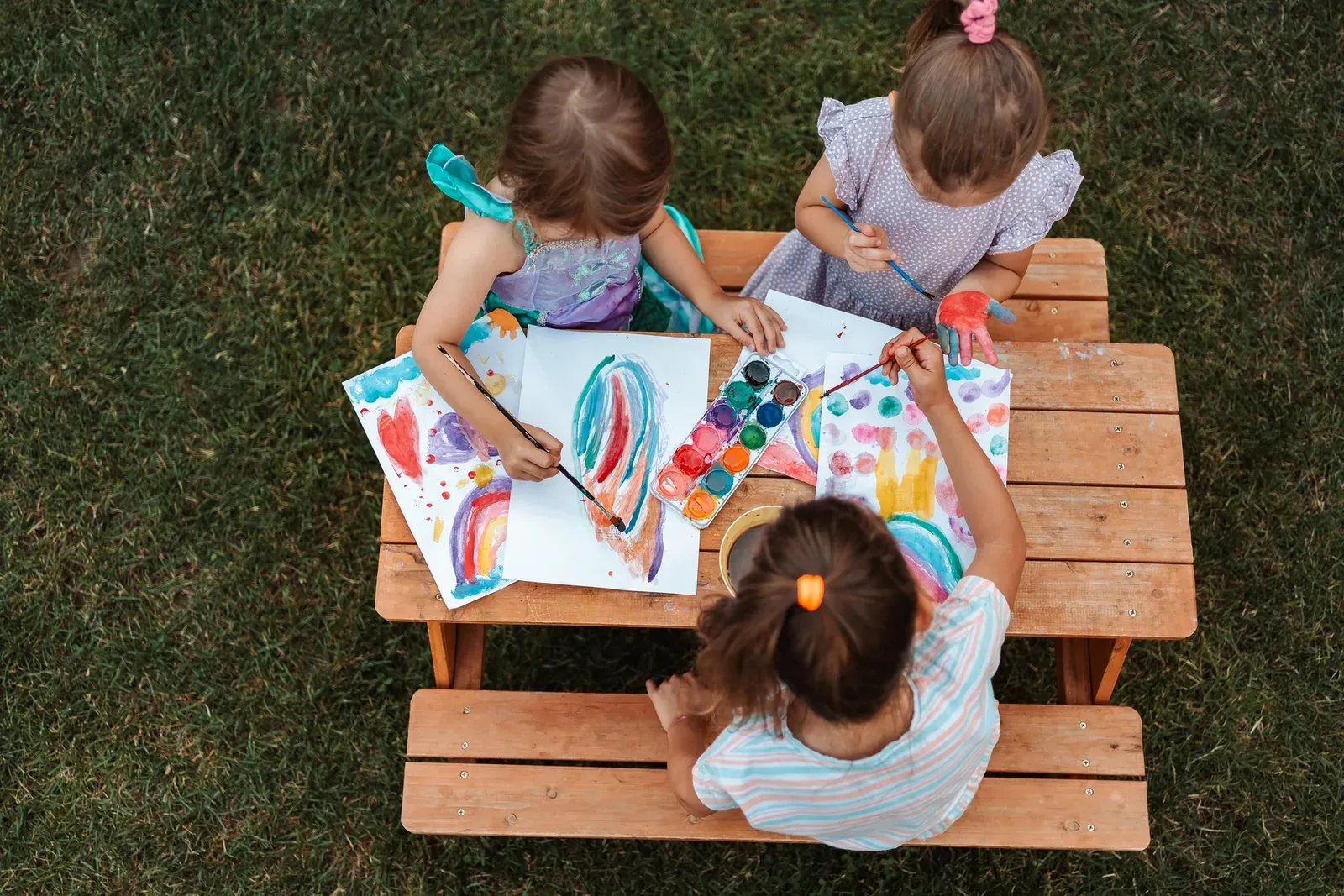
Imagine a classroom that’s less of a classroom and more of a little artist’s studio. Picture: kids with paint-splattered smocks, mats for rolling around, and shelves filled with natural items like pinecones, seashells, and colorful glass beads. This may sound like an artist’s dream or even a fairy tale scene, but it’s not. It’s often the scene of a Reggio Emilia daycare. The Reggio Emilia philosophy is one that embraces curiosity, imagination, and the joy of learning – sounds idyllic, doesn’t it?
Originating in Italy shortly after World War II, the Reggio Emilia approach began in a resilient community. The goal ended up being a world-renowned educational system that places a huge emphasis on respecting the child’s voice and helping them explore their natural world. Let’s delve a little deeper into the main principles of Reggio Emilia and how to implement these in your own daycare.
Core Principles of Reggio Emilia
- Children Are Active Participants in Their Learning
- That’s right, little ones guide the curriculum when it comes to Reggio Emilia. Teachers observe and listen to the children’s interests, then build lesson plans around these fascinations. If the class is especially obsessed with the moon this month, they will become little lunar experts very soon!
- The Environment is the Third Teacher
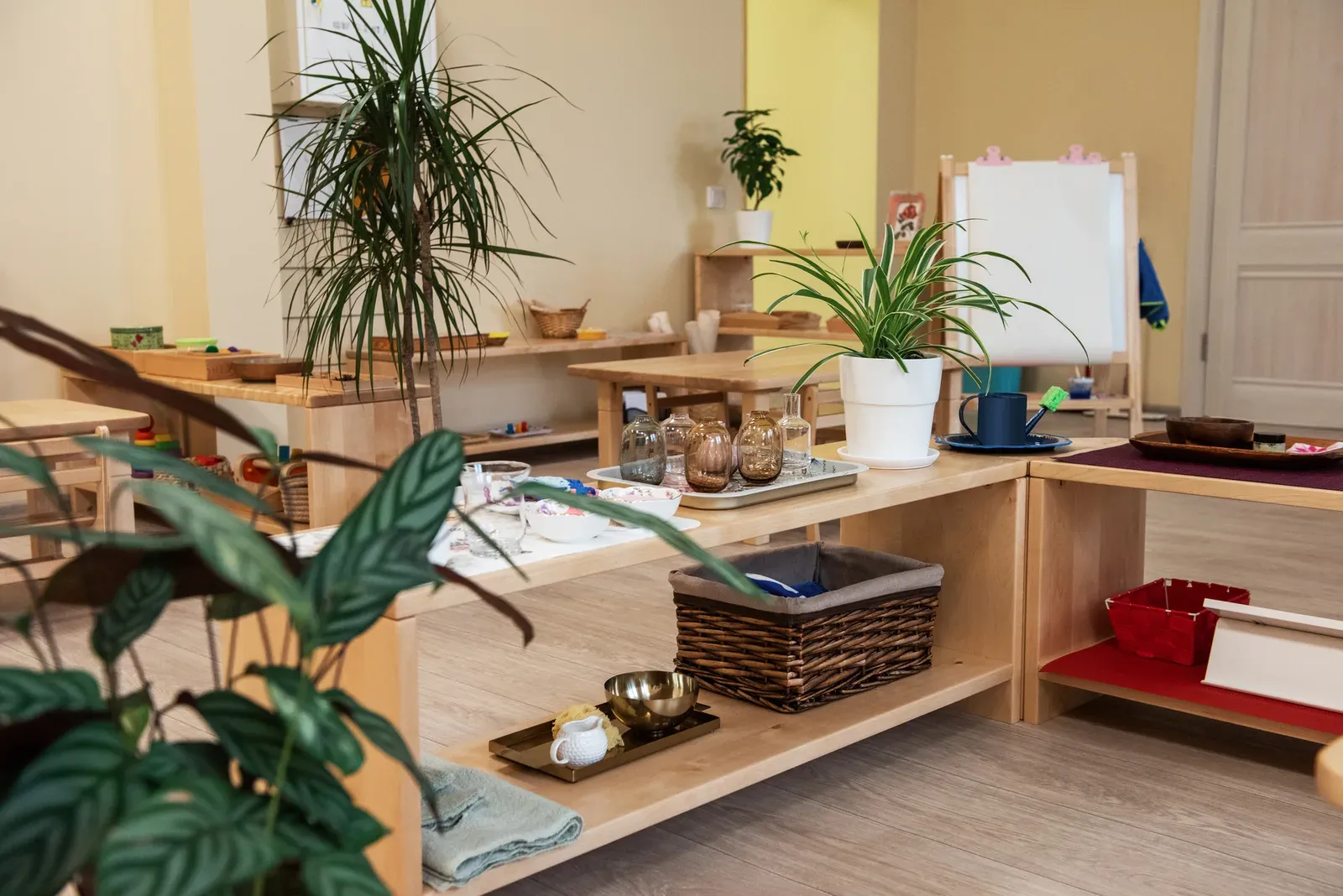
- This is a big component of Reggio Emilia in the daycare space. The approach believes that the physical space isn’t just four walls. Instead, it’s an ever-changing entity that sparks curiosity. Materials are meant to be accessible, with items at eye-level, which allows children to shape the world around them. Other important elements are natural light, spaces for reflection, and open areas for group activities that create a sense of collaboration.
- Documentation as a Learning Tool
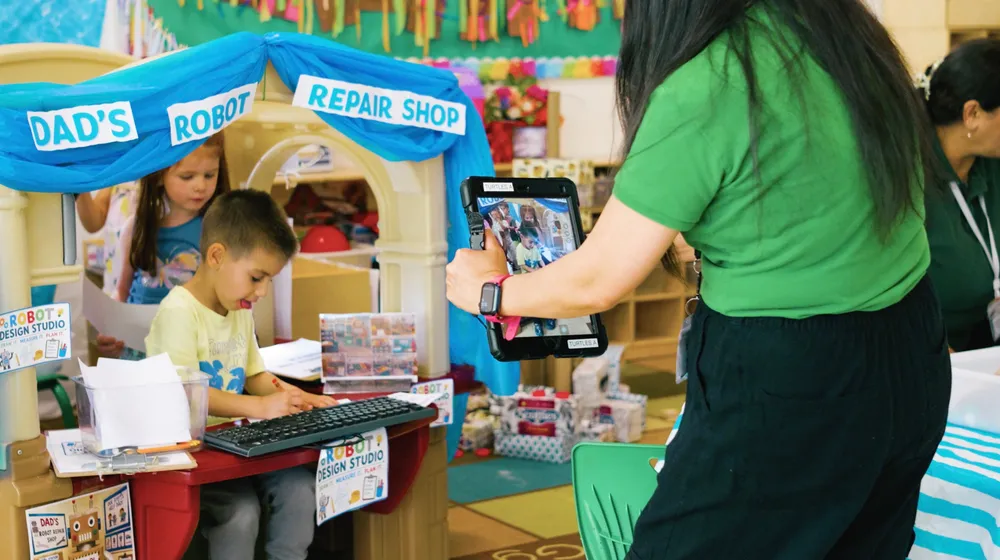
- Imagine scrapbooking but on a whole new level. Teachers in Reggio Emilia often meticulously document the children’s thoughts, activities, and developments. This is done through photos, writing, and displayed projects. Using a daycare software app with real-time updates, like ChildFriendly, is a wonderful way to share this information with parents. Not only does this show a timeline of growth for each child, it also lets kids see the value of their contributions.
- Parents as Partners
- Reggio Emilia believes that parents are active participants in the educational journey. Their roles don’t end after dropping off or picking up the children. Normally, parents also serve as classroom volunteers or co-planners. The connection between the home and the daycare is very strong.
- Teachers as Facilitators and Co-Learners
- Forget the top-down approach! Reggio Emilia teachers are not just instructors. They are co-adventurers on this journey of knowledge. Their role is to encourage thoughts, provide resources, and ask questions that guide children’s explorations.
Bringing Reggio Emilia Into Your Daycare
It may seem daunting at first to transform your daycare space into a Reggio Emilia-inspired wonderland. But don’t fret! It’s completely possible to start small and then observe the positive ripple effects as you work to create a truly Reggio Emilia space. Let’s explore some great ideas to bring Reggio learning activities into your daycare or preschool.
- Curate a Thoughtful Environment
- Think carefully about the items you bring into your classroom. Most importantly: integrate natural elements into your classroom. Set up areas for children to explore textures, patterns, and colors. Remember, flexibility is key. Your room setup should be as dynamic as your little learners.
- Listen Actively
- Observe the children closely, listen to their conversations, and note the questions they ask. Using their observations can really help shape your planned activities. If a specific topic keeps appearing with the kids, notice it and plan to dive deeper.
- Involve the Community
- Involve the children’s parents and family to share their skills and interests. Whether it’s gardening, playing musical instruments, drawing, or building – create a collaborative space where parents feel valued and welcomed. Kids will also love having their family share their skills and knowledge!
- Document Everything
- Invest in a good camera, pens, and a whole lot of paper! Even better – use a digital parent app to document all these moments, keeping everything organized and in one place. Write down quotes, take photos, and collect samples of the projects they created. Display these projects around the daycare. You’ll find it adds value to the little one’s efforts, and also keeps both parents and children engaged.
The Takeaway
Applying a Reggio Emilia early childhood education to your daycare isn’t just about changing your teaching style; it’s about shifting your perspective on education. You’ll learn to see children not as empty vessels to fill, but as capable beings brimming with potential and curiosity. Reggio Emilia is a celebration of imagination, collaboration, and the sheer joy of learning.
The next time you see a child curiously poking at a pinecone or meticulously arranging seashells, don’t just walk by—dive into that moment with them. You never know, you might both discover something truly amazing.