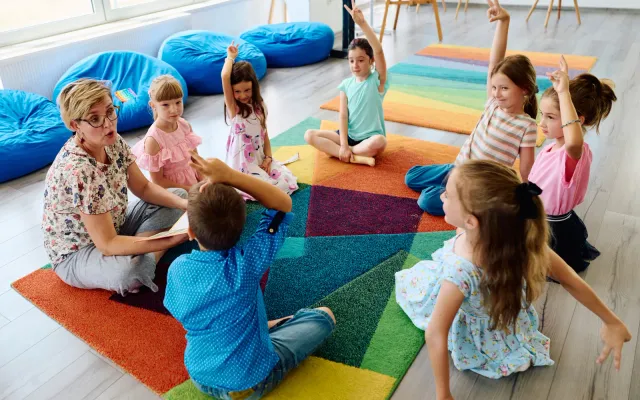
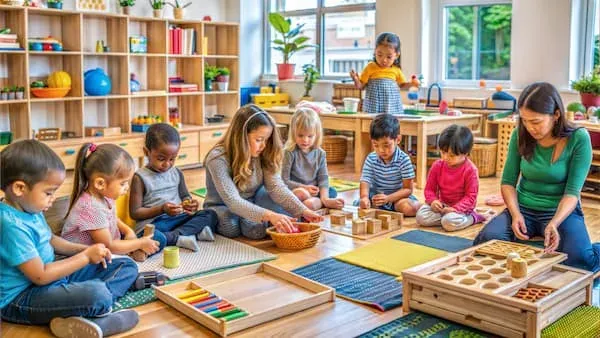
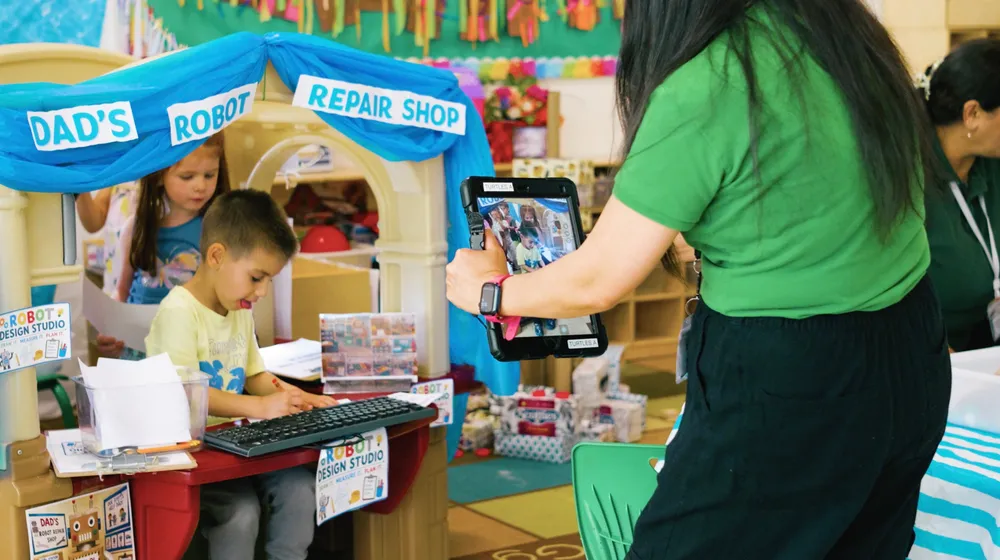
Play is often seen as a fun and carefree activity for preschoolers, but it is much more than just a way to pass the time. In early childhood education, play is a critical component of development and serves as a powerful tool for learning. Play-based learning is an educational approach that uses play as the primary mode of teaching, fostering creativity, social skills, problem-solving abilities, and emotional resilience. In this blog post, we will explore the significance of play-based learning for preschoolers and how it lays the foundation for lifelong growth and development.
What is Play-Based Learning?
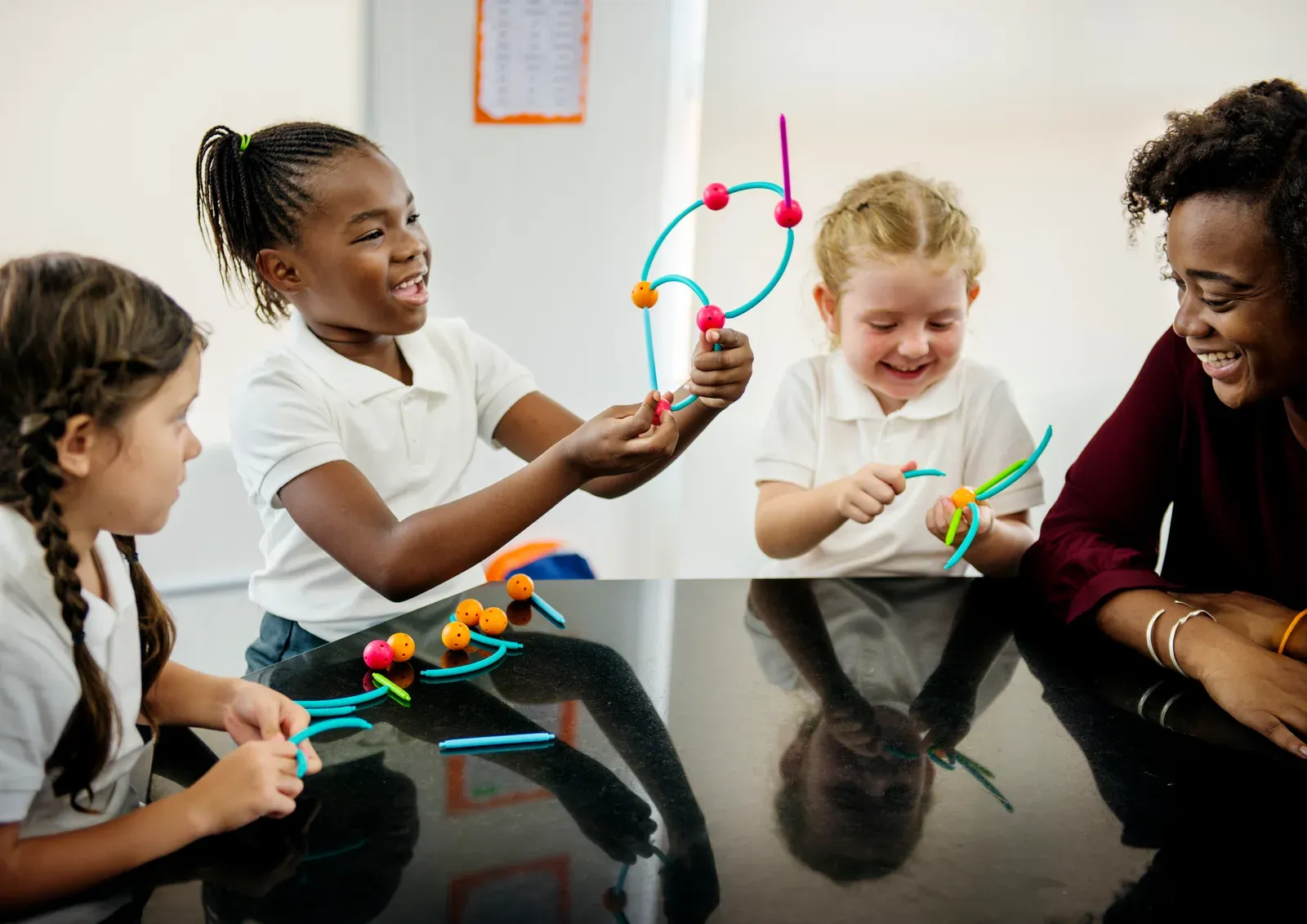
Play-based learning is an approach that encourages children to learn through play. It involves child-led activities where children explore, experiment, and engage in hands-on experiences. This method allows children to follow their natural curiosity and interests, creating a positive, fun environment where learning occurs organically.
Why Play-Based Learning Matters
1. Promotes Cognitive Development
Through play, children actively engage their minds by exploring new concepts, making decisions, and solving problems. Activities such as building blocks, role-playing, and puzzles help preschoolers develop critical thinking skills and understand cause-and-effect relationships. These playful experiences encourage creativity and imagination, laying a strong foundation for cognitive growth.
2. Enhances Social Skills
Group play is instrumental in helping preschoolers learn communication, collaboration, and negotiation. Whether engaging in pretend play with peers or building a fort together, children practice sharing, turn-taking, listening, and compromising. These social interactions foster emotional intelligence and essential social skills that will benefit them throughout their lives.
3. Fosters Emotional Resilience
Play provides a safe space for children to express their emotions, tackle challenges, and develop coping strategies. By dealing with frustration when solving a puzzle or celebrating success during a game, children learn to process their emotions healthily. This emotional learning builds resilience, equipping children to handle more complex emotions as they grow.
4. Develops Fine and Gross Motor Skills
Physical play, such as running, jumping, climbing, or manipulating objects, strengthens both fine and gross motor skills. Activities like drawing, cutting with scissors, and playing with small toys develop fine motor skills, while playground activities enhance gross motor abilities. This physical development is crucial for tasks such as writing, dressing independently, and participating in sports. The Napa Center has a great list of fine motor skill activities for preschoolers.
5. Encourages Problem-Solving and Critical Thinking
In play, children constantly face problems requiring creative solutions. Whether figuring out how to build a stable block structure or resolving a disagreement during pretend play, children develop critical thinking and problem-solving skills. This builds confidence in their ability to think independently and make informed decisions.
6. Supports Language Development
During play, preschoolers engage in conversations with peers and adults, expanding their vocabulary and learning to express themselves. Storytelling, pretend play, and simple games like “I Spy” enhance communication skills, enabling children to practice listening and speaking. The social nature of play-based learning for preschoolers encourages them to use language to share ideas, explain their thoughts, and understand others.
7. Instills a Love of Learning
When learning is associated with joy and curiosity, children develop a positive attitude towards education. Play-based learning fosters a love of discovery and exploration, helping preschoolers become self-motivated learners—a trait that will benefit them throughout their academic journey and beyond.
Don’t forget to check out our free preschool lesson plan guide and progress report!
Types of Play in Play-Based Learning
1. Free Play
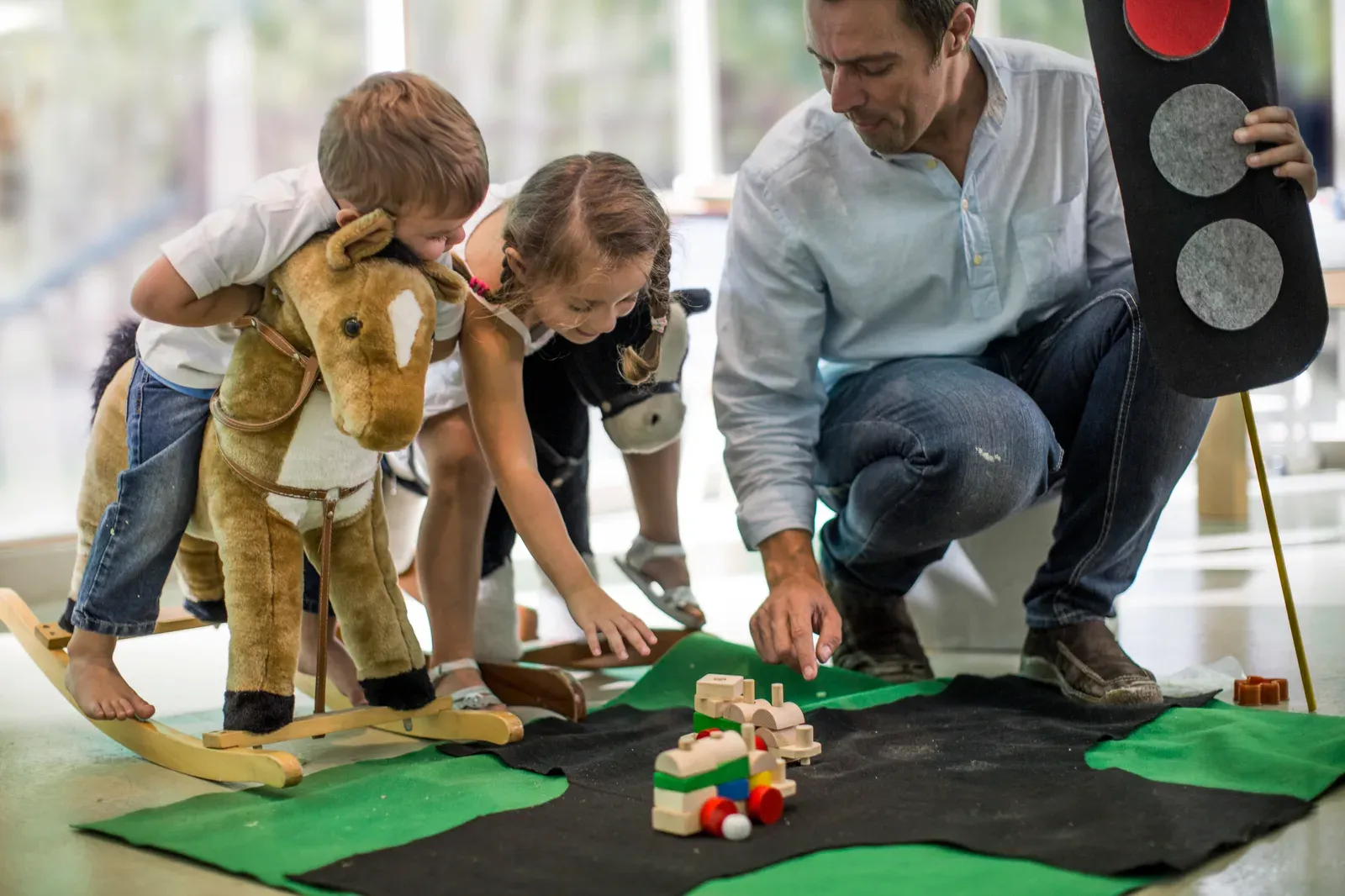
Unstructured play gives children the freedom to explore and use their imagination without adult intervention. During free play, children create their own rules and scenarios, building confidence and independence as they navigate their self-initiated activities.
2. Guided Play
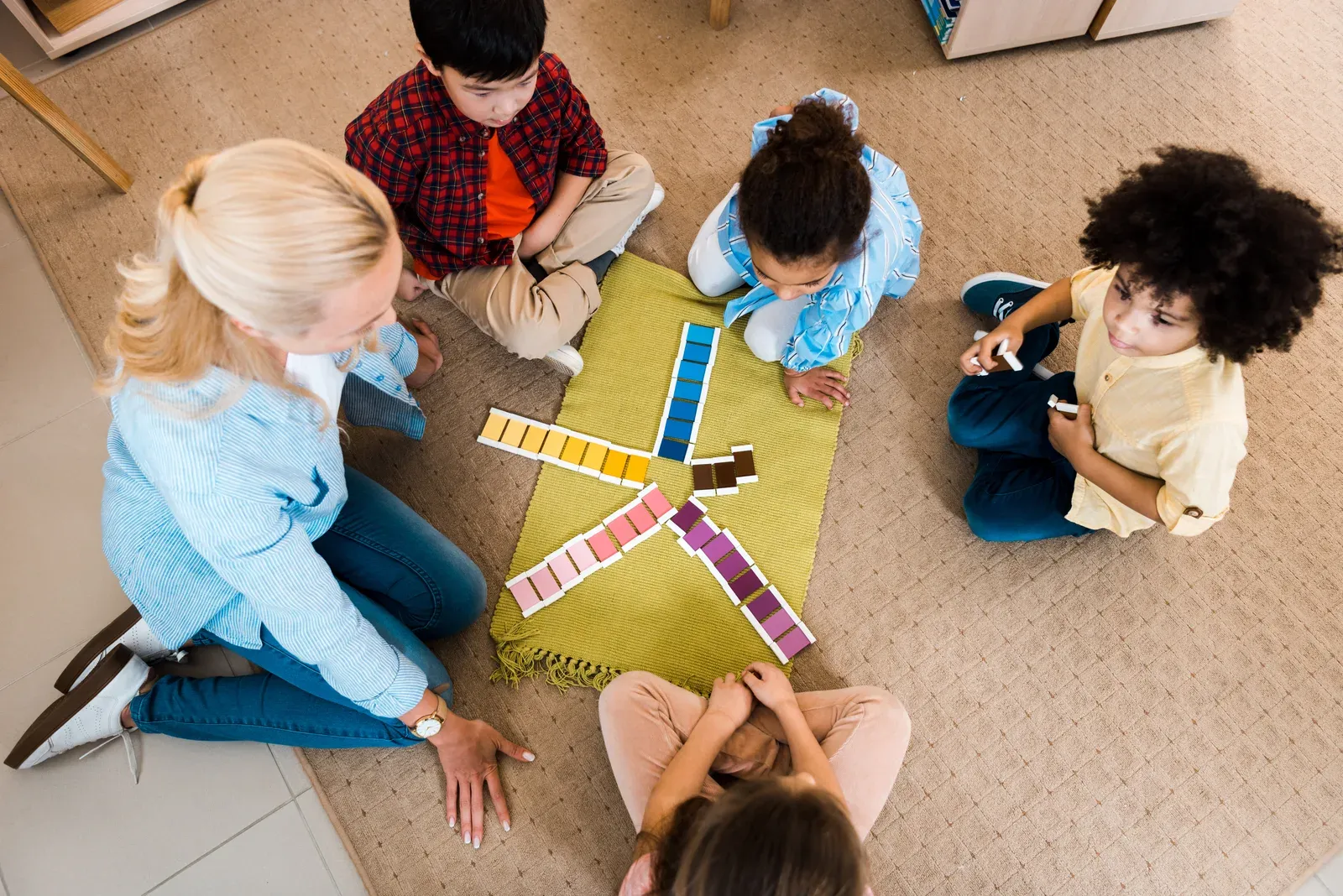
In guided play, educators introduce educational concepts through playful activities. For example, teachers can encourage children to sort objects by color or size, subtly incorporating early math concepts into playtime. This blend of learning and fun keeps children engaged while reinforcing key skills.
3. Physical Play
Physical activities like running, jumping, climbing, and playing sports contribute to children’s physical health and development. This type of play not only builds strength and coordination but also offers opportunities for teamwork and cooperation.
4. Pretend Play
Pretend play, also known as imaginative or role-play, allows children to experiment with different roles and scenarios, from pretending to be a doctor to reenacting everyday experiences. This type of play fosters creativity, emotional expression, and empathy as children explore different perspectives.
5. Constructive Play
Constructive play involves building or creating, such as stacking blocks, constructing with LEGO, or drawing with crayons. It helps children develop problem-solving skills, spatial awareness, and persistence, all while encouraging creativity.
How to Support Play-Based Learning for Preschoolers in Child Care Centers
Child care centers play a crucial role in facilitating play-based learning. Here are some strategies to create a play-rich environment:
- Provide a Variety of Play Materials: Offer diverse toys, games, and materials that encourage creativity and exploration. Include building blocks, art supplies, dress-up clothes, and outdoor play equipment to cater to various interests and developmental needs.
- Encourage Outdoor Play: Outdoor play allows children to explore the natural world, practice physical skills, and engage in imaginative play.
- Join in on the Play: Occasionally join children in their play to enhance their learning experience. Ask open-ended questions, suggest ideas, or introduce new concepts during playtime to expand their thinking.
- Allow Unstructured Time: Ensure that children have plenty of unstructured playtime to make their own choices and follow their interests, fostering independence and creativity.
Conclusion
Play-based learning is much more than fun—it is an essential part of a preschooler’s growth and development. By allowing children to explore, experiment, and engage in hands-on activities, play-based learning supports cognitive, social, emotional, and physical development. As educators, caregivers, and parents, promoting and supporting play is one of the most effective ways to nurture young minds and instill a lifelong love of learning.
For more tips on supporting children’s growth and enhancing your child care environment, visit ChildFriendlyPro.com.