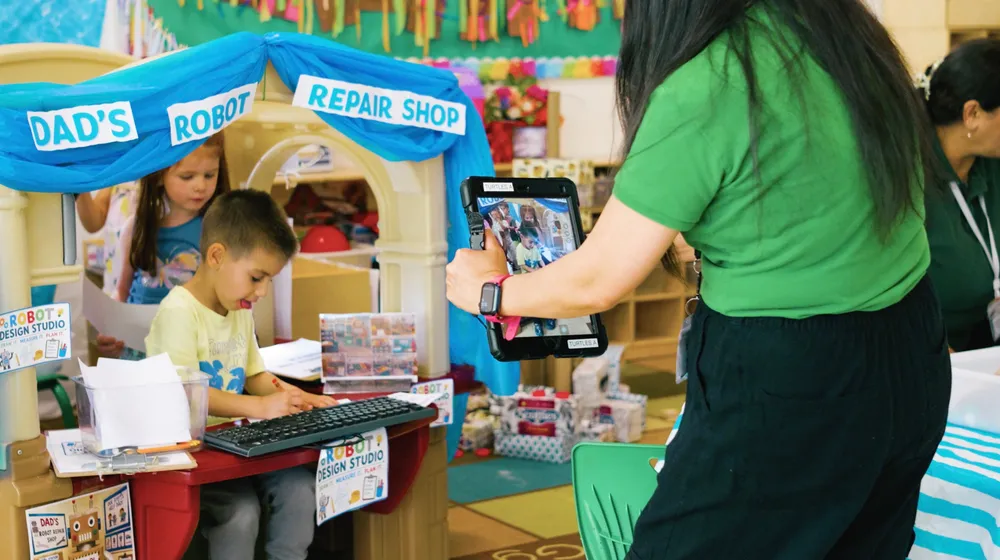
If there’s one thing that becomes crystal clear after working in the daycare industry, it’s that health and safety aren’t just boxes to tick—they’re the bedrock upon which tiny humans thrive. So, take notes, or save or this blog post, as we dive into the essential health and safety guide for child care centers. It’s full of simple but crucial measure that every daycare or preschool should have locked down tighter than a sippy cup lid.

Health Checks: The Daily Ritual
First thing’s first, morning health checks are a non-negotiable ritual. A quick, friendly scan for runny noses, coughs, mysterious rashes, or feverish foreheads can make a world of difference. This is not about being nosy; rather, it’s about keeping everyone—kids and educators alike—healthy and happy.
Sanitization: Beyond Soap and Water
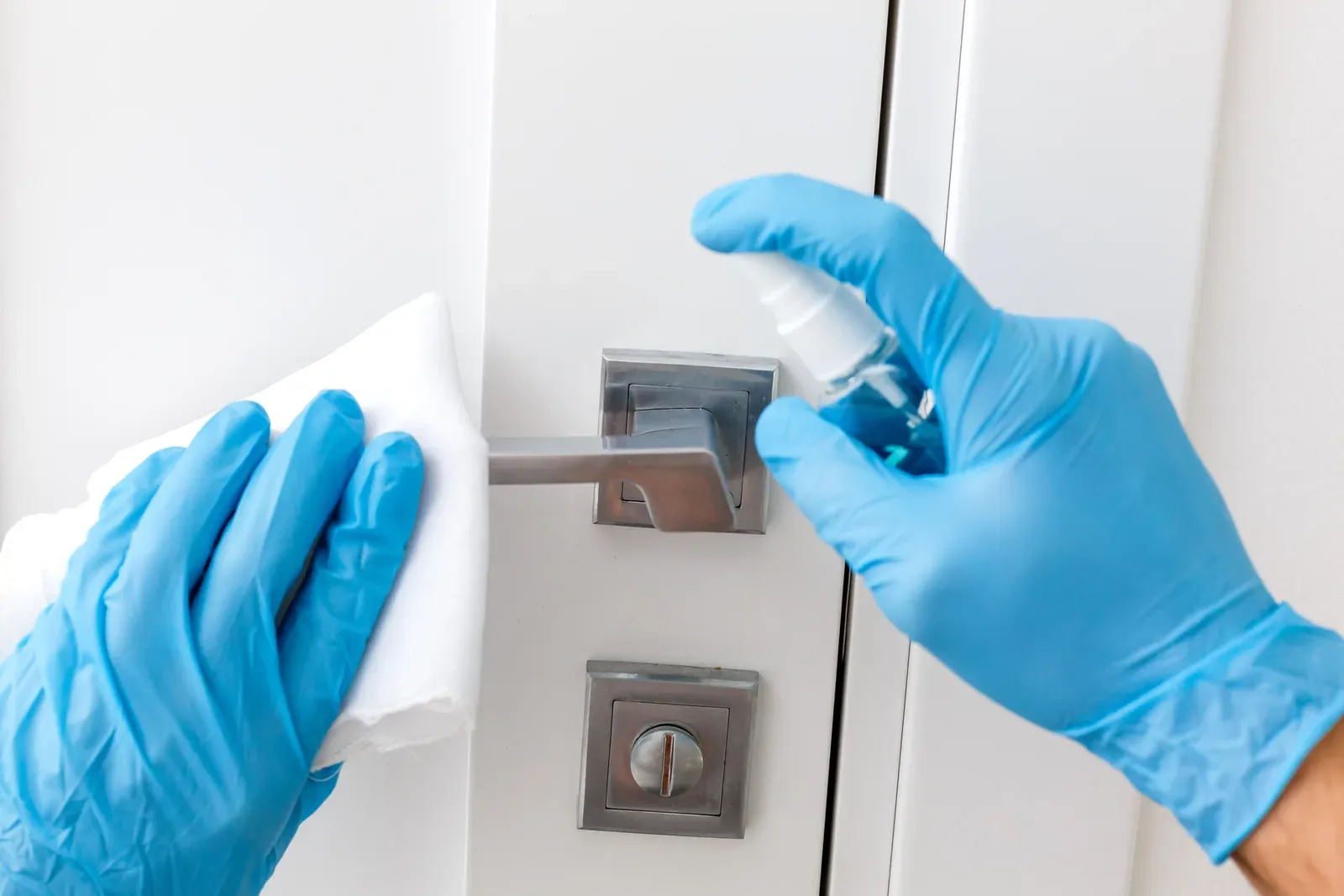
Handwashing is the obvious champion in the fight against germs, but think about taking it a step further and kicking those germs before they even get to the hands. Focus on high-touch areas like door handles, toys, and communal art supplies. These type of fixtures and items often need frequent and thorough disinfecting. Get into a consistent routine of sanitizing these common areas and you won’t even think twice next time you go through your daily cleaning routine.
Secure Spaces: Create a Mini Fort Knox With Play-Doh
Your daycare facility doesn’t need to be an impenetrable fortress, but certain areas should come close! Think: gates that tiny hands can’t unlock, sharp corners cushioned, safe sleep spaces, all entries/exits and doors locked. Remember: in the world of toddlers and preschoolers, everything is either a potential hazard or a new adventure waiting to happen. Let’s keep the adventure part but ditch the potential hazards!
Allergy Awareness: Know Your Stuff
Allergies are as unique as the kids themselves. Keep a detailed, easily accessible list of each child’s allergies – even better if this is digitized so you can view details at the click of a couple buttons or taps. Don’t forget to train your staff to look for signs of allergic reactions. It’s always better to be overly cautious than late. ChildFriendly has a highly intuitive child log that lets you see who has any allergies or medical conditions and what they are. You can also print off allergy reports to store in a binder or laminate for the room. Don’t forget to read the detailed guide on protecting children with allergies.
Regular Handwashing: But Make it Fun
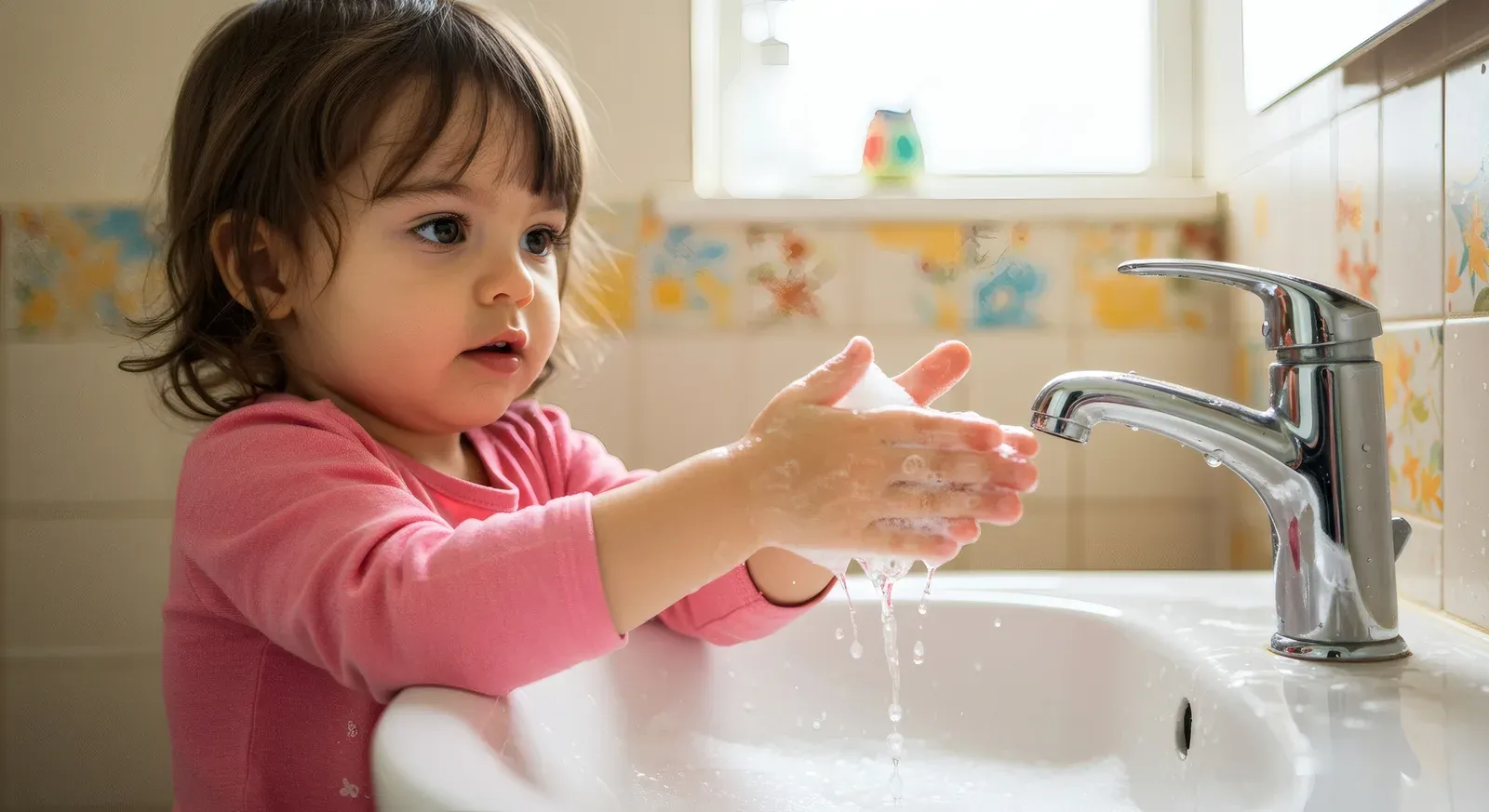
Everything is better with a little song. Just like the clean-up song at the end of day signals helping tidy the space, a little jingle about washing hands and cleaning up can come in handy before meal times. Since kiddos tend to use lots of fingers for eating, make sure those hands are squeaky clean before consuming any snacks and meals. A good rule of thumb is to wash hands after coming in from outside, and before eating any food. The more you get into this habit, the more little ones will naturally gravitate toward the sinks at the appropriate times.
CPR and First Aid: A Must-Have for Everyone
All staff at your center should be certified in both CPR and First Aid. In fact, in almost all jurisdictions, this is a necessity when it comes to working in a daycare and with children. Kids and parents rely on the educators and staff to know exactly what to do in the case of an injury or medical episode. Whether it’s a simple scrape that needs some attention, or a more serious allergic reaction, it’s crucial staff are trained to stay calm and collected, and provide the necessary care.
Emergency Drills: Practice Makes Prepared
Regular emergency drills might seem like a pain or disruption, but they’re truly an absolute necessity. From fire to tornados to a suspicious person – routine drills ensure that everyone, from the littlest members to the grown-ups in charge, know exactly what to do in the case of any type of emergency.
Technology: The Unsung Hero
Here’s a nod to the modern marvels—software systems that keep track of attendance, allergies, check-ins, and even naps. If a system can help you streamline these details, why not use it to the max? Less paperwork and admin headaches, and more quality time focusing on what really matters – the kids!
Open Door Policy: The Parent-Safety Alliance
Lastly, fostering an open dialogue with parents is so important. When parents or guardians feel informed an involved, it creates a harmonious environment rooted in trust and transparency. Regular updates (an app is especially helpful), open channels and opportunities for questions, and accessibility to staff make a huge difference. If you’re looking to improve your parent engagement, look no further than here!
And there you have it —an essential guide to ensuring your child care center isn’t just a space for giggles and finger paints, but also a fortress of safety and health. From daily check-ups to digital reports and updates, every little bit contributes to a healthy and safe environment where little ones can flourish and thrive. Keep those tiny ones safe and sound, and stay diligent about health and safety in your daycare!