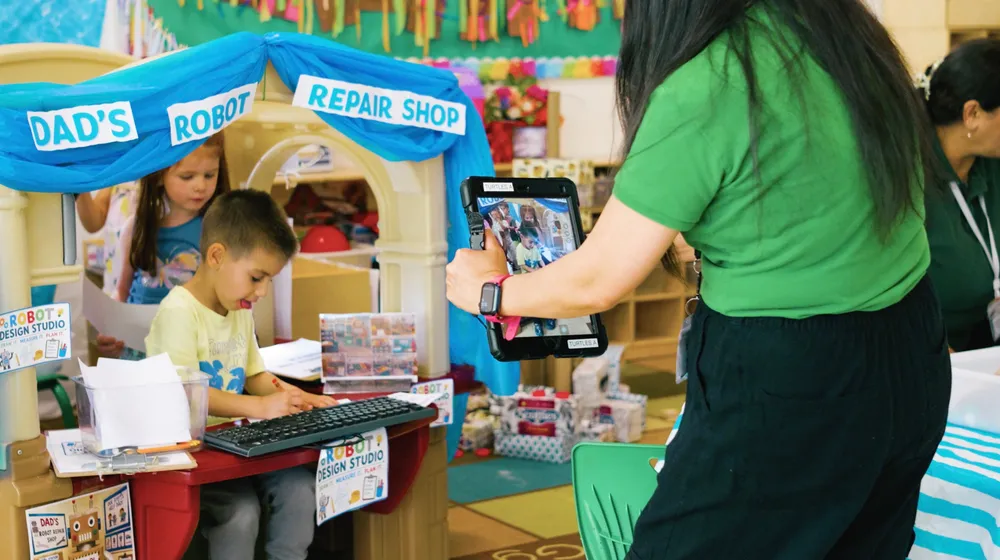
If you’ve ever visited the enchanted forest of early childhood education, you’ve likely stumbled upon the mystical concept of “emergent curriculum.” While it might sound like something that sprouts organically from the ground, emergent curriculum is all about child-led learning and spontaneous discovery. Let’s journey into the essentials of emergency curriculum for daycare and learn more about this wonderful, ever-evolving educational approach!
What is Emergent Curriculum?
At its core, emergent curriculum is a philosophy that puts the children’s questions, interest and observations at the very center of learning. Think of it as a garden where the educators are the gardeners, the children are the seeds, and the curriculum is the water, sunlight, and love that help everything grow. Instead of following a rigid syllabus or rules, emergent curriculum is constantly adapting to children’s needs and interests.
Why Does Emergent Curriculum Matter?
Emergent curriculum is vital because it helps to nurture each child’s individuality and interests. Here are a few reasons why emergency curriculum in child care is a game-changer:
Fosters Engagement and Motivation: When children are genuinely interested in what they are learning, they are naturally more engaged and motivated. This intrinsic motivation fuels their curiosity and encourages them to dig deeper.
Encourages Critical Thinking: When children are freely allowed to explore their interests, this creates a natural encouragement to ask questions, solve problems, and think critically. The focus instead becomes on meaningful understand instead of simple memorization.
Builds on Natural Curiosity: Everyone who has spent any time with kids knows that they are naturally curious. Emergent curriculum harnesses this curiosity and turns it into a powerful educational tool. Think of it as a treasure map, where X marks the spot of their next exciting discovery.
Promotes a Love of Learning: With emergent curriculum, learning becomes fun and joyful, rather than a list of checkpoints to be ticked off. Perhaps the greatest gift of emergent curriculum is this lifelong love of learning.

Key Elements of Emergent Curriculum
Are you sold yet on the idea of emergency curriculum? Maybe you are, but you’re a bit unsure still on how it actually looks in practice. Here are some key essentials of emergency curricula for daycares.
Observation: Most importantly, educators must be keen observers. Ensure you are watching the children closely so that you can best understand what intrigues them, what questions they ask, and what activities they gravitate towards.
Documentation: Record your observations. Notes, photos, and videos can be invaluable tools for understanding and planning around each child’s interests and developmental needs.
Collaboration: Engage with the children in their learning quests. Keep the questions open-ended; provide resources wherever necessary; and encourage children to work together to problem-solve or answer their curious questions. Peer interactions can also be hugely helpful in sparking new interests and ideas.
Flexibility: Always be prepared to pivot. One day the children may be interested in dinosaurs, and the next day the obsession might suddenly turn to vehicles, or farming. The key in practicing emergent curriculum is to remain flexible as well as responsive to the children’s evolving curiosities.
Reflection: At the end of the day, or week, make sure you are taking time to reflect on what’s working, as well as what’s not. Reflective practice helps you fine-tune your approach while also ensuring that the curriculum remains effective and exciting.

Practical Tips for Implementing Emergent Curriculum
Now that you understand the essentials of emergent curriculum and what it looks like in a child care setting, it’s time to go over how you can you start implementing emergent curriculum in your daycare or classroom. Here are some practical tips:
Create an Inspired Environment: Set up a vibrant and stimulating environment that invites children to explore and discover. Think: interactive displays, accessible resources, and lots of open-ended materials to create with.
Involve the Kids in Planning: When it comes to mapping out activities and projects, it’s best to get the children involved wherever possible. Whether you’re simply asking for their input or letting the kids help make decisions about that they want to explore next, they will love feeling helpful at any stage.
Use Open Invitations: Introduce open invitations or spaces that spark interest and curiosity. Examples include intriguing objects, interesting questions, or engaging stories that invite exploration and discussion. Set up a table with a few interesting items, or write out some questions with space to answer or draw.
Keep it Balanced: Child-led exploration is key, but it’s also important to balance this with structure and guidance. The goal: to provide a supportive and safe framework and environment within which the children can freely explore.
Celebrate the Journey: Don’t forget to celebrate the discoveries and milestones along the way of your emergent curriculum journey. Acknowledge the children’s efforts and achievements to foster a sense of accomplishment and pride.

Final Thoughts
The essence of emergent curriculum lies in its ever-evolving and fun child-centered approach. It’s about embracing the beautiful chaos of childhood curiosity and turning it into a rich, educational tapestry. Follow the essentials of emergent curriculum in your daycare and let the children lead the way. You might just find that the journey is as rewarding for you as it is for them!
Remember, in the world of emergent curriculum, every day is a new adventure waiting to unfold. And who knows? You might even discover a few new things about yourself along the way. Happy exploring!