In today’s digital landscape, a well-designed website is often the first point of contact between a parent and a child care center. It’s more than just aesthetics—parents are looking for essential information, transparency, and trustworthiness. In this post, we’ll go over what parents want to see in a child care website.

As a child care provider, your website must address these concerns effectively. Here are the key elements parents want to see in a child care website:
1. Clear and Concise Information
Parents need quick and easy access to important details. A cluttered website that makes it difficult to find essential information, such as hours of operation, fees, or staff qualifications, can deter potential clients. Make sure your homepage or navigation bar prominently features key sections like:
- Services offered
- Safety protocols
- Class sizes and age groups
- Tuition and fees
Keep your site simple, easy to navigate, and mobile-friendly to ensure a smooth user experience.
2. Emphasis on Safety
Safety is a top concern for parents when choosing a child care center. Your website should clearly outline the safety measures you have in place, including:
- Staff-to-child ratios
- Emergency preparedness plans
- Security systems (e.g., cameras, check-in/check-out procedures)
- Health and cleanliness protocols
Consider adding a dedicated safety page or an FAQ section that addresses these concerns, helping to instill confidence in your center’s commitment to safety. Don’t forget to download our free health & safety checklists.
3. Staff Qualifications and Certifications
Parents want reassurance that their children are in the hands of qualified professionals. Include detailed staff profiles with credentials, years of experience, and areas of expertise. Adding staff photos and brief bios helps personalize your center and builds trust by showing the human side of your team.
4. Engaging Content and Testimonials
Testimonials from current or past parents are a powerful tool in showcasing the value of your child care center. Featuring real-life success stories and positive feedback creates an emotional connection with prospective families. Additionally, a blog with parenting tips, educational resources, or center updates demonstrates your commitment to child development and keeps your content fresh and engaging.
5. Virtual Tours and Photo Galleries
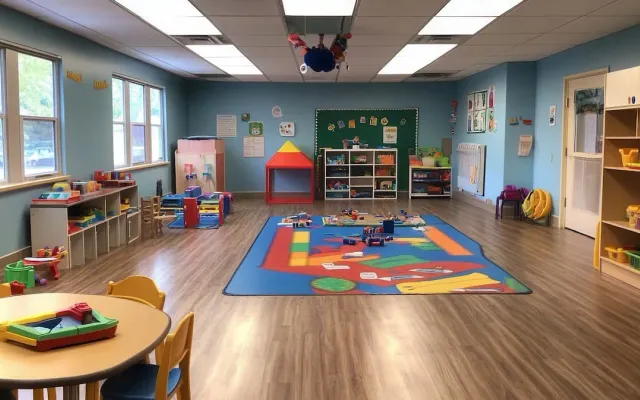
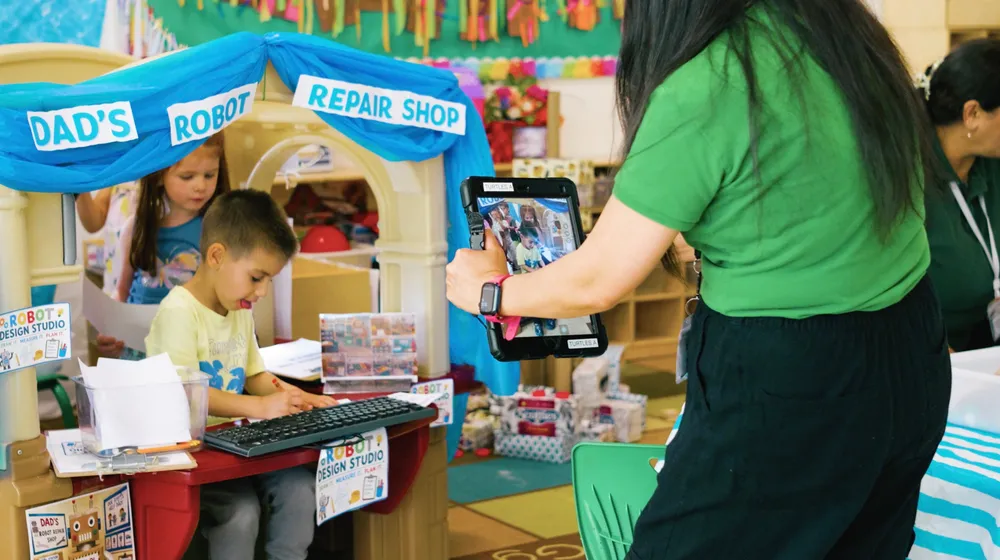
Parents want to visualize where their child will be spending their day. Include virtual tours, videos, or high-quality photos of your classrooms, outdoor play areas, and other facilities. Highlighting children engaged in activities helps convey a warm, nurturing environment.
6. Transparent Communication Tools
Parents appreciate easy access to communication. Make it simple for them to reach out to your center by offering:
- Chat options
- Easy-to-find contact forms
- Clear instructions for scheduling tours or meeting staff
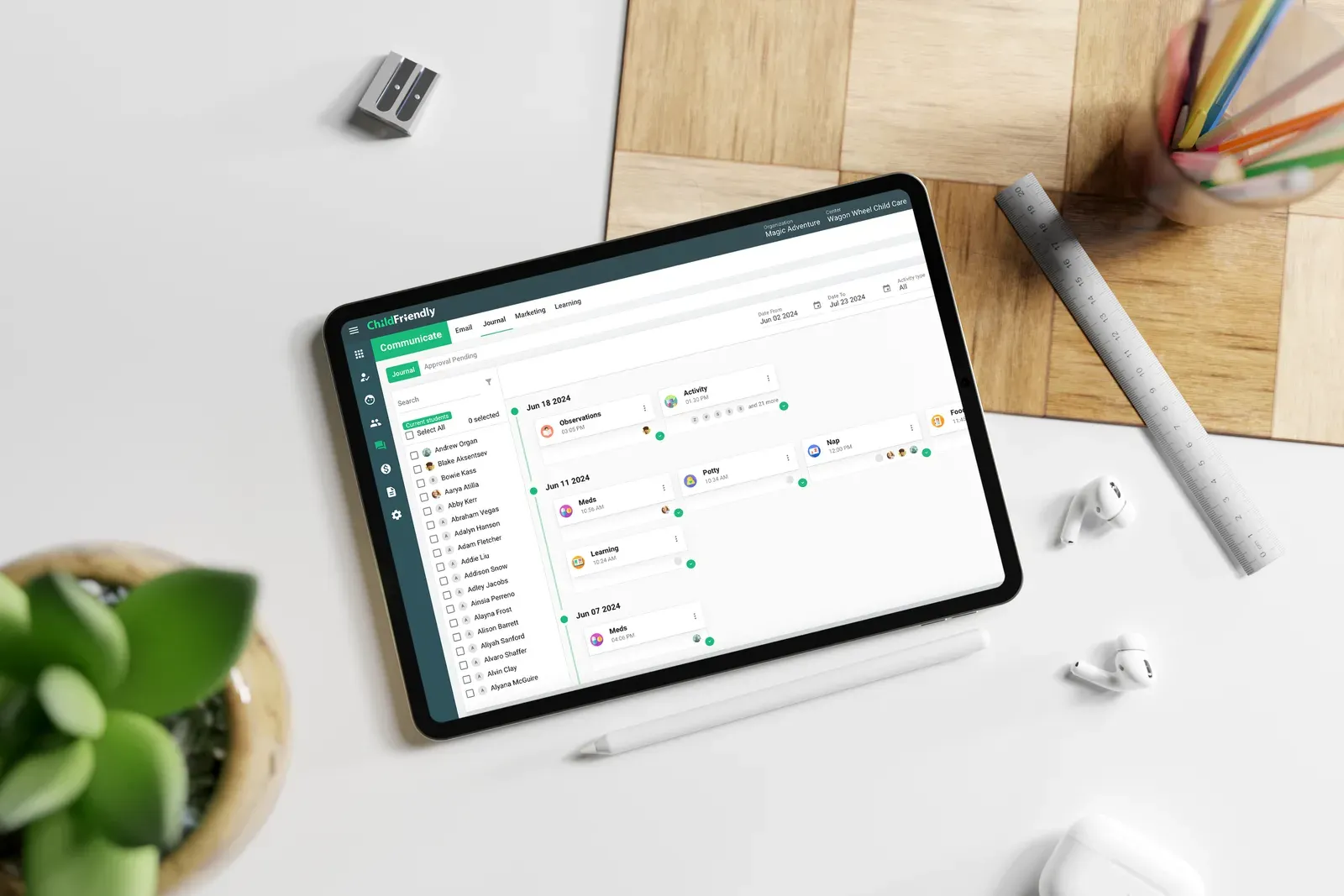
Consider including a parent portal where existing clients can communicate directly with teachers, view updates, and track their child’s progress. ChildFriendly’s parent app is the perfect solution
7. Easy Online Registration and Payment Systems
Convenience is key for busy parents. Offering online registration and secure payment options can be a significant advantage. A user-friendly payment portal with clear instructions and support if needed can set your center apart and simplify the enrollment process for parents.
8. Accreditations and Awards
Displaying any certifications, national accreditations, or awards your child care center has received is an excellent way to build credibility. These accolades serve as quality guarantees, helping parents feel more confident in their decision to choose your center.
9. Commitment to Diversity and Inclusion
Modern parents are increasingly looking for child care centers that embrace diversity and inclusivity. Highlight your center’s commitment to creating a welcoming environment for children of all backgrounds. This might include policies on inclusion, programs for children with special needs, or staff training in cultural sensitivity.
10. Mobile Responsiveness
With more parents browsing on their phones, your child care website must be mobile-responsive. Ensure the site adapts seamlessly to different screen sizes and devices. A mobile-optimized site not only improves user experience but also prevents frustration that could lead parents to explore competitor options.
Conclusion
A well-crafted child care website is a powerful tool in shaping a parent’s first impression. By incorporating these essential elements—clear information, safety emphasis, staff credentials, engaging content, and user-friendly features—you’ll create a positive online experience that helps build trust with prospective parents.
At ChildFriendly, we understand the importance of a seamless digital experience. Our child care management software integrates features like online registration, communication, and payment systems directly into your website, enhancing your digital presence and giving parents the confidence they need to choose your child care center.
To learn more about how ChildFriendly can support your center, visit ChildFriendlyPro.com.