Running a daycare in Canada means more than providing great care. Centre operators also need to stay on top of licensing requirements, health and safety standards, staff qualifications, attendance records, child documentation, and reporting obligations.
The challenge is that daycare compliance requirements vary across Canada. Each province and territory has its own rules, making it important for child care centres to understand the regulations that apply to their specific location.

What Does Daycare Compliance Mean in Canada?
Daycare compliance refers to meeting the licensing, operational, health and safety, staffing, documentation, and reporting requirements established by your provincial or territorial authority.
While the specific requirements differ by region, most child care centres need to maintain accurate records related to areas such as:
- Child enrolment and family information
- Attendance and daily records
- Staff qualifications and information
- Health and immunization records
- Medication and incident documentation
- Emergency and safety procedures
- Staff-to-child ratios
- Licensing and inspection requirements
- Parent and guardian documentation
For operators, keeping all of this information accurate and accessible can become a significant administrative task.
Why Regional Compliance Matters
There is no single set of daycare regulations that applies identically across Canada. Requirements can differ depending on where your centre operates.
That means a process that works for a child care centre in Ontario may not meet the requirements of a centre in Alberta, British Columbia, Manitoba, Quebec, or another province or territory.
For multi-site child care organizations, this can create an additional challenge. Different locations may need to follow different regional requirements while still maintaining consistent internal processes.
The goal isn’t simply to collect more paperwork. It’s to have reliable systems that make it easier to meet the requirements that apply to your centre.
Make Compliance Part of Your Everyday Workflow
One of the easiest ways to make compliance more manageable is to stop treating it as something you prepare for only when an inspection is approaching.
Instead, build compliance into your everyday operations.
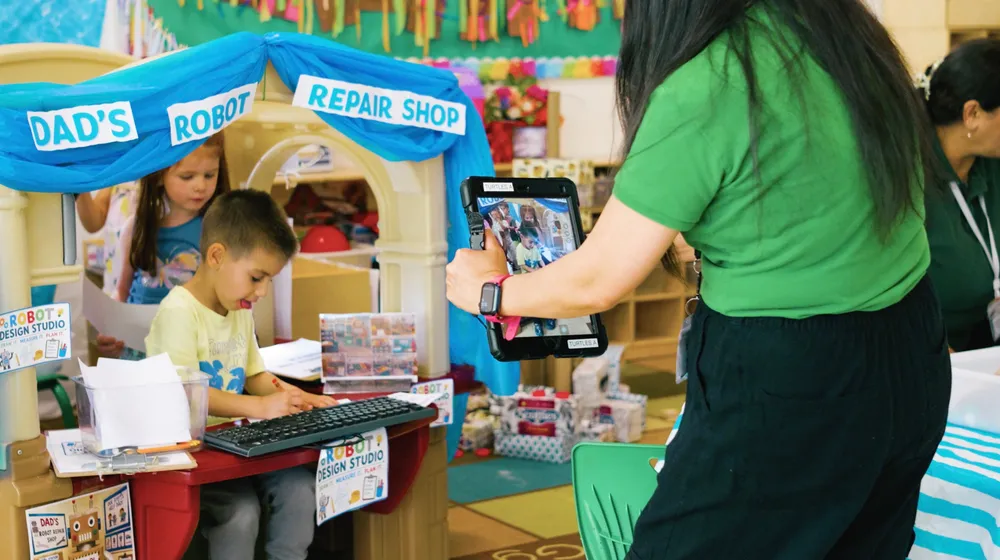
For example, staff information can be reviewed and updated regularly. Attendance can be recorded digitally as children arrive and leave. Health and safety records can be maintained as part of normal centre operations, rather than recreated when documentation is requested.
This approach can help reduce last-minute administrative work and give centre administrators greater confidence that their records are current.
Technology Can Help Simplify Compliance
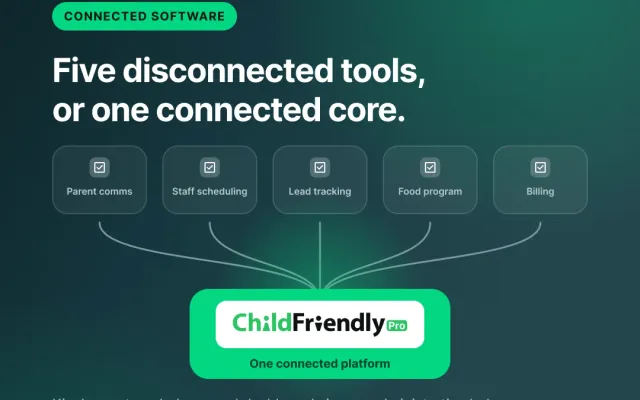
Child care management software can bring many of these processes together in one centralized system.
Depending on the platform and your region’s requirements, digital tools can help centres manage:
- Attendance and ratio tracking
- Child and family records
- Staff information and qualifications
- Immunization and health documentation
- Incident and medication records
- Digital forms and agreements
- Reporting and documentation
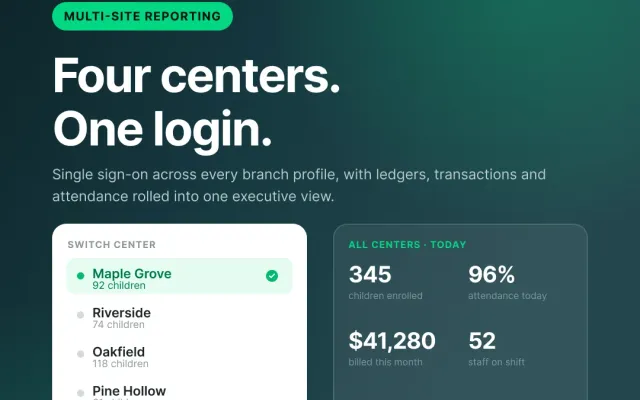
- Multi-centre administration
The benefit isn’t just convenience. Having accurate information in one place can make it easier for administrators to find the records they need when they need them.

Staying Compliant When Requirements Change
Child care regulations, funding programs, and reporting requirements can change over time. Centre operators should regularly review information from their provincial or territorial licensing authority and update their internal processes when requirements change. For child care organizations operating across multiple provinces, this becomes even more important.
A strong compliance strategy should include:
- Knowing your local requirements.
- Reviewing regulatory updates regularly.
- Keeping staff and child records current.
- Building documentation into daily workflows.
- Using technology to reduce manual administrative work.
- Reviewing your processes before inspections or reporting deadlines.
Compliance Doesn’t Have to Mean More Administrative Work
Canadian child care providers already have enough on their plates. Staying compliant shouldn’t require digging through filing cabinets, spreadsheets, and disconnected systems every time information is needed.
While requirements vary from province to province and territory to territory, the basic goal remains the same: keep accurate records, follow the regulations that apply to your centre, and make compliance part of your everyday operations.
With the right processes and child care management technology, centres can spend less time chasing paperwork and more time focused on what matters most: providing quality care for children and supporting their families.
Let ChildFriendly Pro help you handle the heavy administrative and compliance burden, at no cost to your centre!