Add the words in home languages
The backs of the cards are blank, so write the feeling in each family’s language there. It signals belonging and helps multilingual children join in.
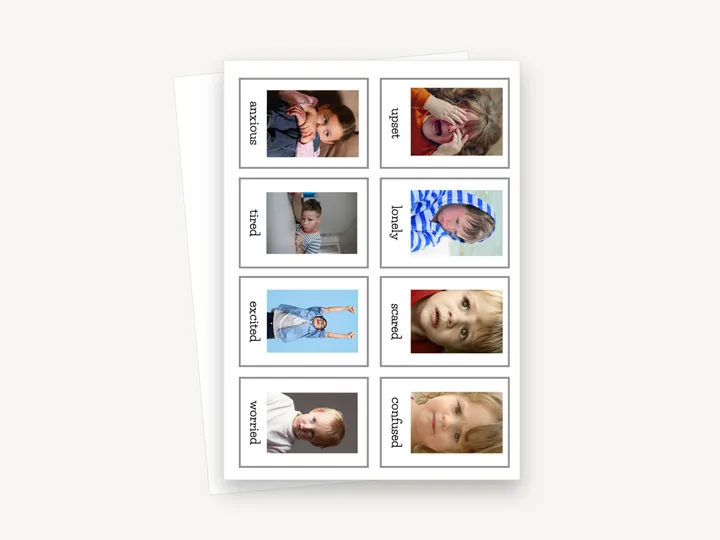
Three A4 pages of printable photo flashcards — 24 cards, eight to a page. Each card has one photo of a child and one feeling word, from happy, sad and angry to disappointed, astonished and frustrated. Use them for circle time games, matching activities and helping children who don’t yet have the words for what they feel.
No sign-up required. Print it and share it with your team — it’s free for any child care program to use.
What’s inside
How to use it
Tips from operators
Learned the hard way across 3,000 child care spaces — and from the directors and educators who join our Lunch & Learns and Learning Labs.
The backs of the cards are blank, so write the feeling in each family’s language there. It signals belonging and helps multilingual children join in.
Hold up the matching card when a character feels something — it builds the bridge between stories and self.
Children love making the face they see on the card. It is also how they learn to read faces.
Do it digitally in ChildFriendly Pro
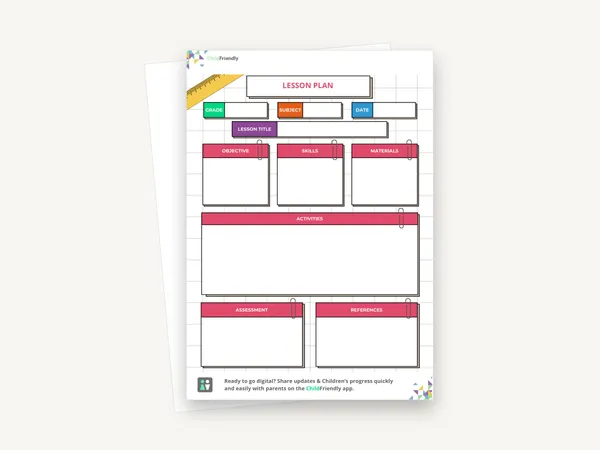
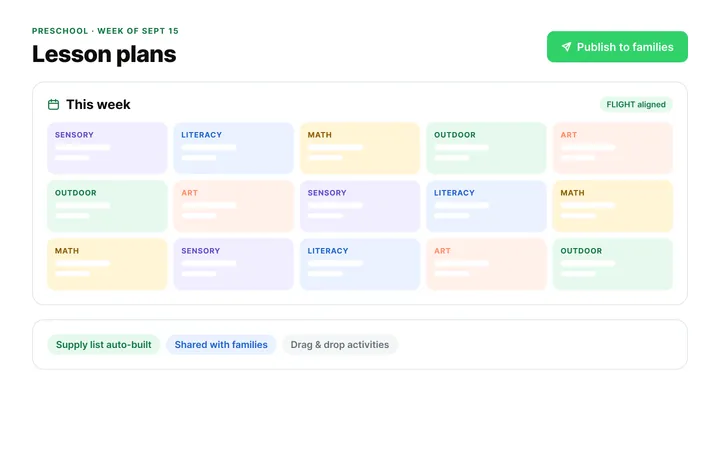
Build the same plan in ChildFriendly Pro and every observation you log is tagged to FLIGHT, ELECT, ELF or your own outcomes, added to each child’s portfolio and shared with families in their daily journal.
FAQ
Can’t find your answer? Chat with a real person who has run a child care center.
Read more FAQsRoughly 2 to 6 years. Toddlers use the photos; preschoolers add the words; kindergarteners can talk about when they have felt that way and what helps.
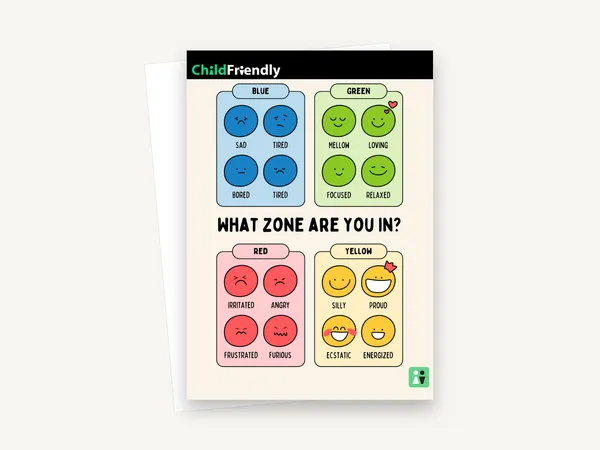
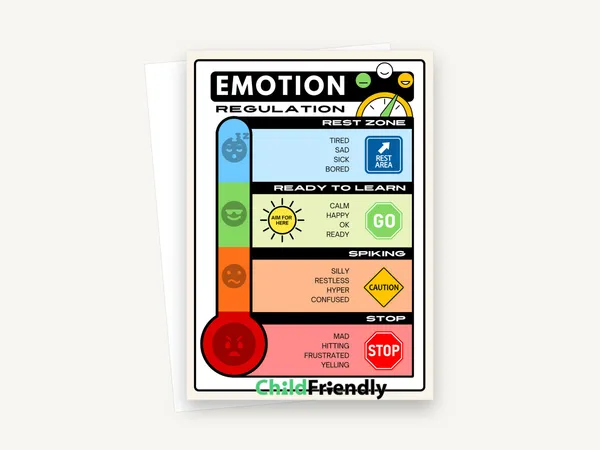
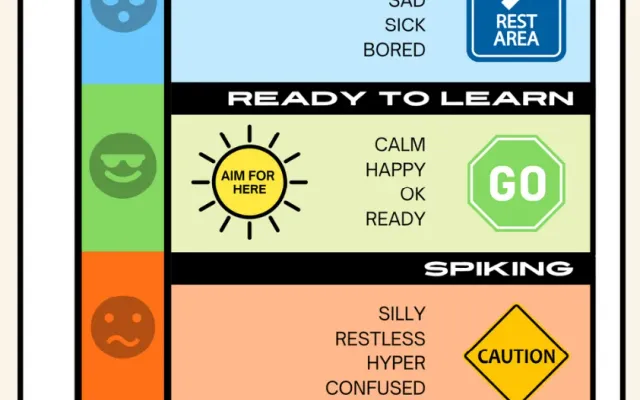
The chart is a wall display for daily check-ins, with drawn faces sorted into four colour zones; the cards are a hands-on tool with photos of real children for learning and playing with feeling words. They work well together.
Yes — pointing to a card is a valid way to communicate. Speech-language pathologists often recommend visual feeling supports; check with the child’s support team for any specific adaptations.
No — the file contains only the 24 printed photo cards, and it is not editable. For feelings that are missing, such as proud or calm, cut blank cards to the same size and let children draw their own.
Only partly. Excited and angry are the only words with two cards, and each pair uses different photos. For a full memory game, print the file twice so every card has an identical match.
More templates
Child Development & Programming
Child Development & Programming
Child Development & Programming
Family Engagement
Keep learning
Directors & Admin Workshops · Recording
Pediatric OT Jennifer Collett shares budget-friendly ways to support self-regulation and sensory needs in the classroom, from calm corners to sensory bins.
Watch the recordingBlog · Tools & Resources
2 min read
Read the articleCompliance guide · Alberta
Ratio & compliance
Read the guideNewsletter
We add new templates and tools most months. Subscribe and they land in your inbox — along with Lunch & Learn and Learning Lab invitations.
Join hundreds of child care professionals across North America. CASL compliant.
You can unsubscribe anytime. CASL/CAN-SPAM compliant.