Use it one-to-one for children who need more support
Go through the poster with the child and write down their own words for each zone and what helps. Those notes become a personal regulation plan you can share with families and specialists.
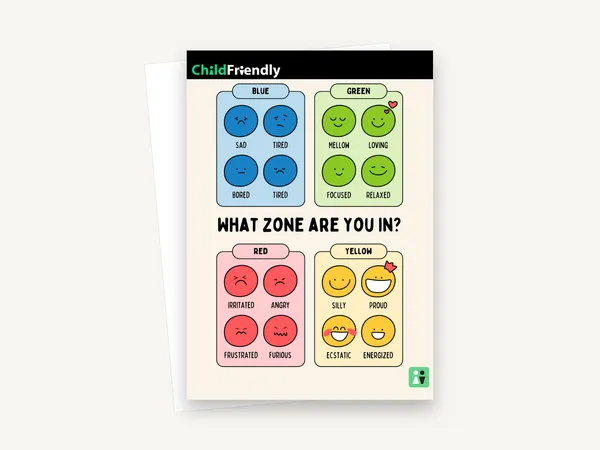
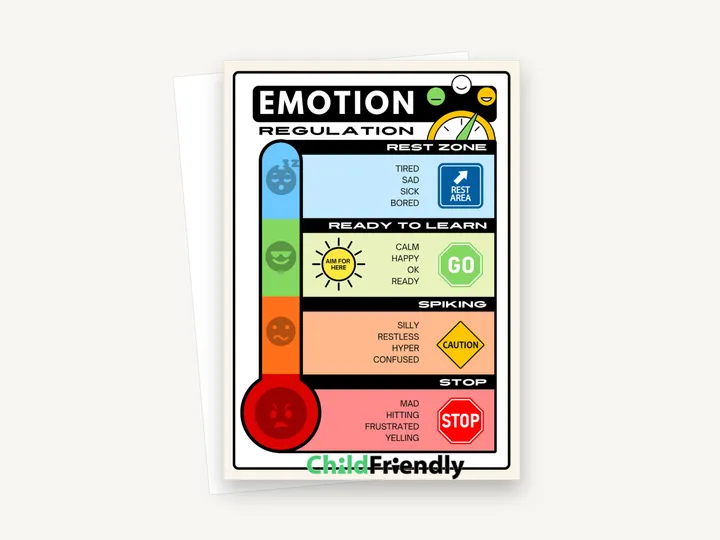
A one-page ‘feelings thermometer’ poster with four colour zones — Rest Zone, Ready to Learn, Spiking and Stop — each with four feeling or behaviour words and a road-sign symbol, so children can point to where they are.
No sign-up required. Print it and share it with your team — it’s free for any child care program to use.
What’s inside
How to use it
Tips from operators
Learned the hard way across 3,000 child care spaces — and from the directors and educators who join our Lunch & Learns and Learning Labs.
Go through the poster with the child and write down their own words for each zone and what helps. Those notes become a personal regulation plan you can share with families and specialists.
Young children regulate through the body — water, movement, weight and breath work better than talking.
When a child moves up, send a copy of the poster and any notes with them so the new educator starts with the same language.
Do it digitally in ChildFriendly Pro
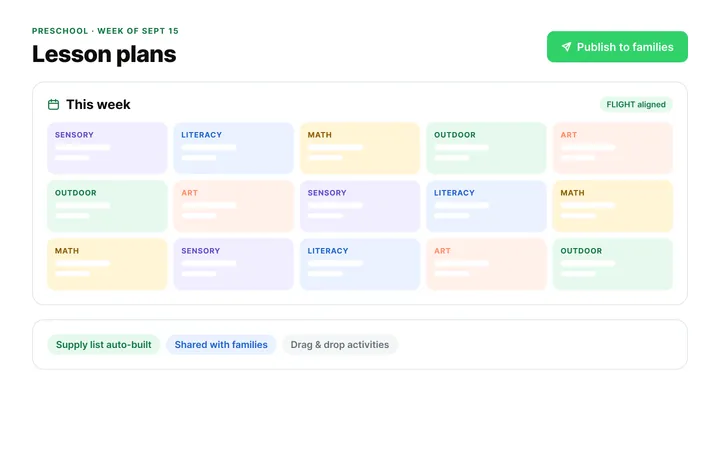
Build the same plan in ChildFriendly Pro and every observation you log is tagged to FLIGHT, ELECT, ELF or your own outcomes, added to each child’s portfolio and shared with families in their daily journal.
FAQ
Can’t find your answer? Chat with a real person who has run a child care center.
Read more FAQsBoth sort feelings into four colour zones. The Zones Chart shows sixteen drawn faces with a feeling word each; the thermometer stacks the zones from Rest Zone down to Stop, adds road-sign cues (Go, Caution, Stop) and marks green as the zone to aim for. Many rooms use the chart for daily check-ins and the thermometer with children working on big feelings.
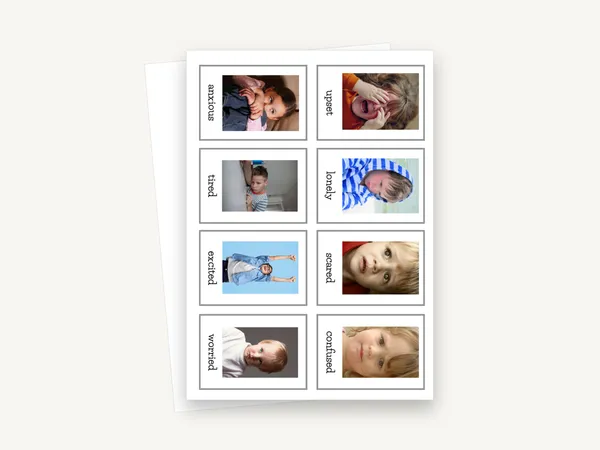
The words on the poster lean towards tiredness, energy and anger; ‘worried’ and ‘scared’ are not printed on it. You can still use the zones for worry — talk with the child about which zone it belongs in for them and write it in.
Scaling tools like this are a common component of cognitive-behavioural and social-emotional learning programs used with young children. This template is a free classroom aid; it is not a clinical tool.
It is a good fit. Attach a copy of the poster to the plan so every adult uses the same zone names.
More templates
Child Development & Programming
Child Development & Programming
Administration
Administration
Keep learning
Directors & Admin Workshops · Recording
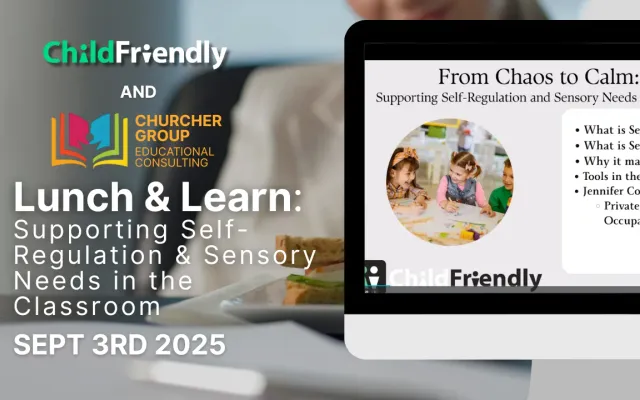
Pediatric OT Jennifer Collett shares budget-friendly ways to support self-regulation and sensory needs in the classroom, from calm corners to sensory bins.
Watch the recordingBlog · Child Development
4 min read
Read the articleCompliance guide · Alberta
Ratio & compliance
Read the guideNewsletter
We add new templates and tools most months. Subscribe and they land in your inbox — along with Lunch & Learn and Learning Lab invitations.
Join hundreds of child care professionals across North America. CASL compliant.
You can unsubscribe anytime. CASL/CAN-SPAM compliant.