Pair it with a calm corner
The chart tells children what they feel; the corner gives them somewhere to do something about it.
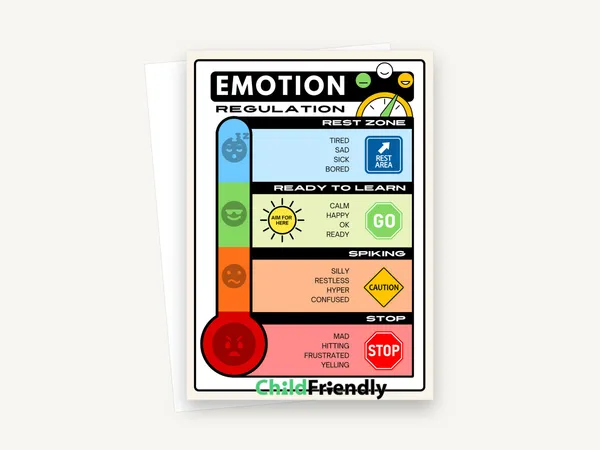
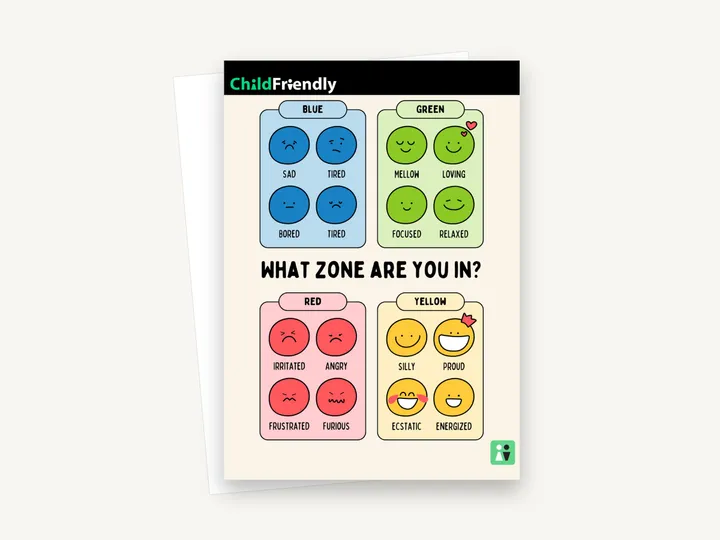
A one-page colour-coded chart that gives children a shared language for how they feel — blue, green, yellow and red zones, each with four drawn faces and a feeling word, under the question ‘What zone are you in?’
No sign-up required. Print it and share it with your team — it’s free for any child care program to use.
What’s inside
How to use it
Tips from operators
Learned the hard way across 3,000 child care spaces — and from the directors and educators who join our Lunch & Learns and Learning Labs.
The chart tells children what they feel; the corner gives them somewhere to do something about it.
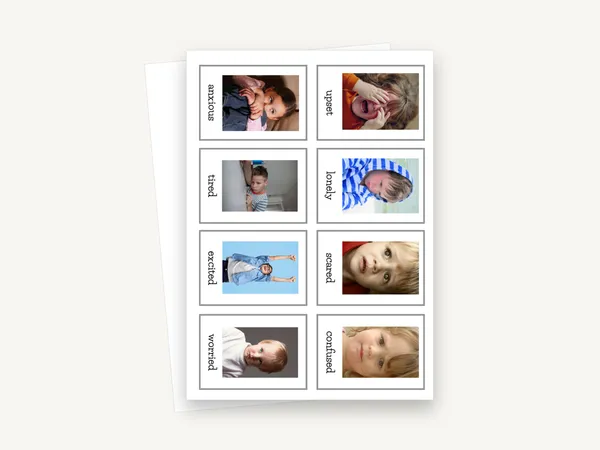
Swap the illustrated faces for photos of the class (with consent) — recognition jumps immediately.
A week of arrival check-ins is useful evidence when working with a family or a specialist on a support plan.
Do it digitally in ChildFriendly Pro
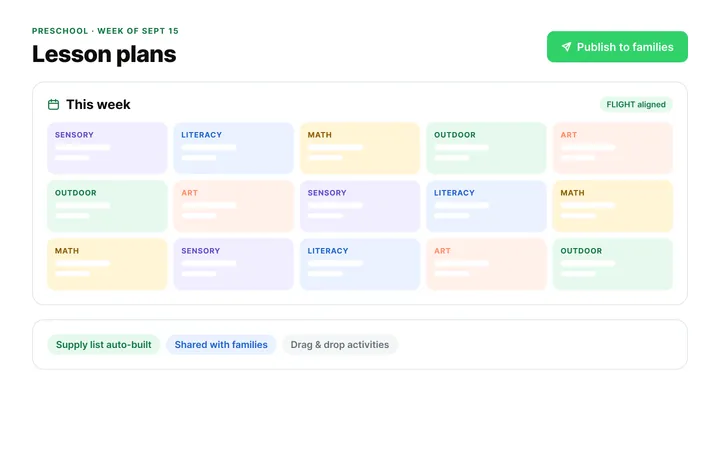
Build the same plan in ChildFriendly Pro and every observation you log is tagged to FLIGHT, ELECT, ELF or your own outcomes, added to each child’s portfolio and shared with families in their daily journal.
FAQ
Can’t find your answer? Chat with a real person who has run a child care center.
Read more FAQsIt is designed for roughly 3 to 8 years — preschool through early elementary. Toddlers can use the faces and colours without the words; school-age children can read the feeling words on their own.
It uses the widely-known four-colour approach to emotional regulation, but it is a free classroom resource, not a licensed curriculum. If your center uses a specific program, use this chart as a display to support it.
Not in the moment. Regulate first (space, a calm adult, fewer words), then reflect with the chart afterwards: ‘You were in the red zone — what helped you get back to green?’
Yes — print a second copy for home. Consistent language at home and at the center is one of the most effective supports for emotional regulation.
More templates
Child Development & Programming
Child Development & Programming
Administration
Family Engagement
Keep learning
Directors & Admin Workshops · Recording
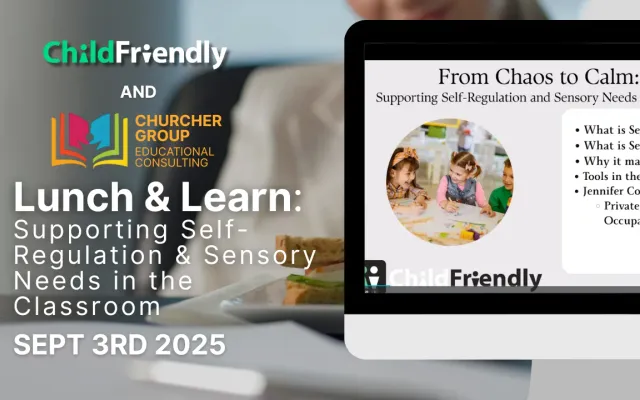
Pediatric OT Jennifer Collett shares budget-friendly ways to support self-regulation and sensory needs in the classroom, from calm corners to sensory bins.
Watch the recordingBlog · Child Development
3 min read
Read the articleCompliance guide · Alberta
Ratio & compliance
Read the guideNewsletter
We add new templates and tools most months. Subscribe and they land in your inbox — along with Lunch & Learn and Learning Lab invitations.

Join hundreds of child care professionals across North America. CASL compliant.
You can unsubscribe anytime. CASL/CAN-SPAM compliant.